Davos Talks Highlight NATO Tensions After Trump Revives Greenland Issue
21.01.2026
Greenland Dispute Tests NATO Unity as Trump Brings Tensions to Davos
As global leaders gathered in Davos, Switzerland, the future of NATO took center stage amid escalating tensions sparked by President Trump’s stance on Greenland. Asked whether NATO could function without the United States, Secretary General Mark Rutte offered a blunt response: no. He emphasized that the U.S. remains the world’s most powerful nation and an essential pillar of the alliance, while also crediting Trump for pressuring members to increase defense spending.
Markets React to Tariff Threats Linked to Greenland
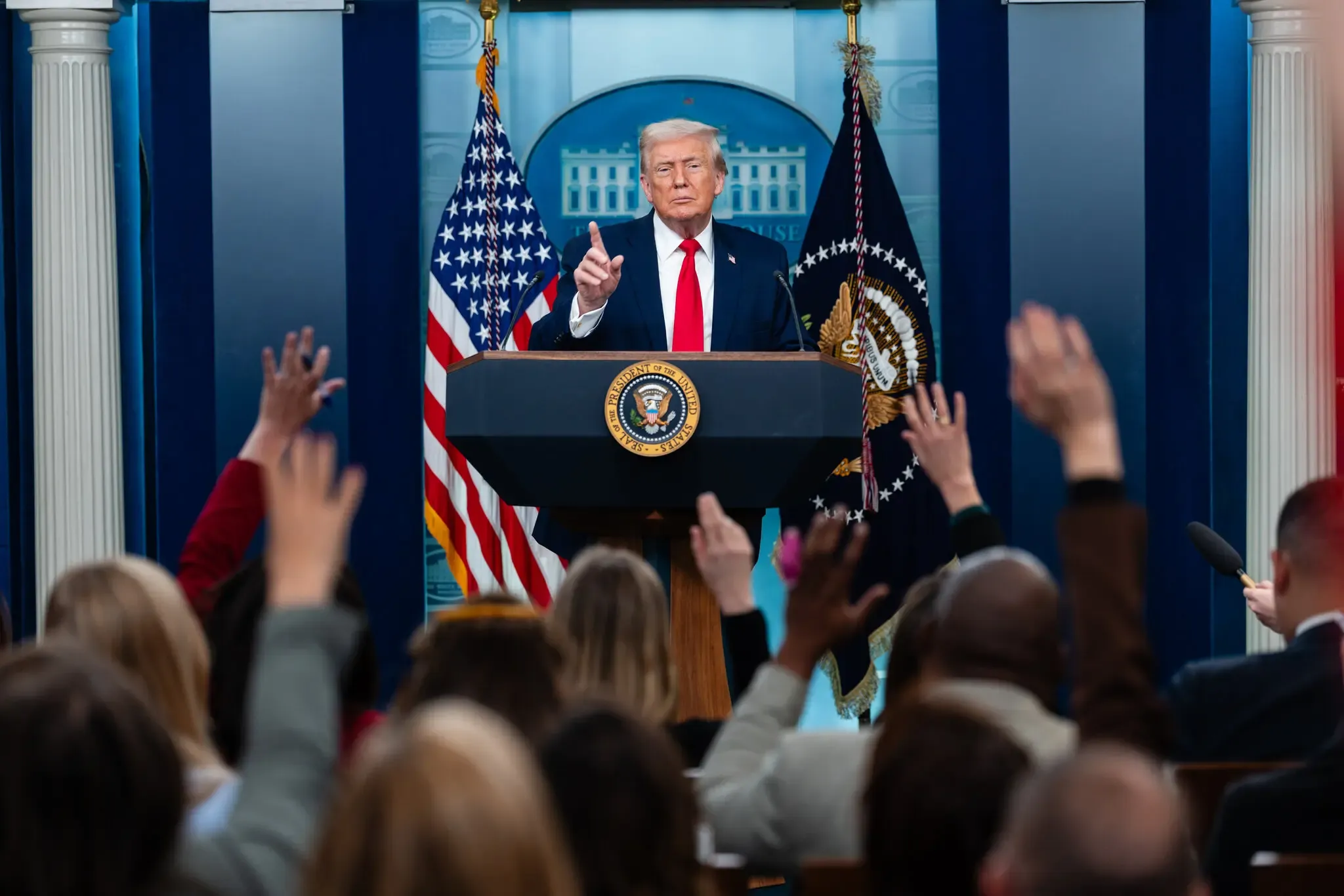
Financial markets around the world showed signs of stress after President Trump warned European allies of sweeping tariffs tied to the Greenland dispute. U.S. assets sold off sharply, sending ripples across Asia and Europe.
Stocks in Taiwan and Japan declined noticeably, while European markets were mixed. U.S. futures suggested a modest rebound, but investors moved cautiously. The dollar weakened against the yen, gained against the euro, and gold surged to a new record above $4,800 an ounce as investors sought safe havens.
Analysts expect gold prices could surpass $5,000 this year, citing persistent geopolitical instability and rising institutional tensions.
Trade Volatility Returns Under Trump’s Second Term
The turbulence marked a return to trade-driven volatility that has defined much of Trump’s current presidency. Markets fell after Trump threatened tariffs against eight European countries unless they cooperated with U.S. demands over Greenland, raising fears of retaliatory trade measures and slower global growth.
In the U.S., stocks dropped to multi-month lows, Treasury yields climbed, and the dollar weakened — a rare “triple sell-off” last seen earlier this year during previous tariff announcements.
Europe and Asia Face Additional Market Pressures
Beyond U.S.-Europe tensions, global markets were also rattled by rising yields on Japanese government bonds. Investors questioned Japan’s fiscal outlook following Prime Minister Sanae Takaichi’s push for a snap election and costly tax cuts. U.S. Treasury Secretary Scott Bessent acknowledged that volatility in Japan had spilled into American bond markets.
Some investors view Trump’s threats as negotiating tactics, but economists warn that markets are becoming less tolerant of prolonged uncertainty.
NATO Leaders Call for Calm and Cohesion
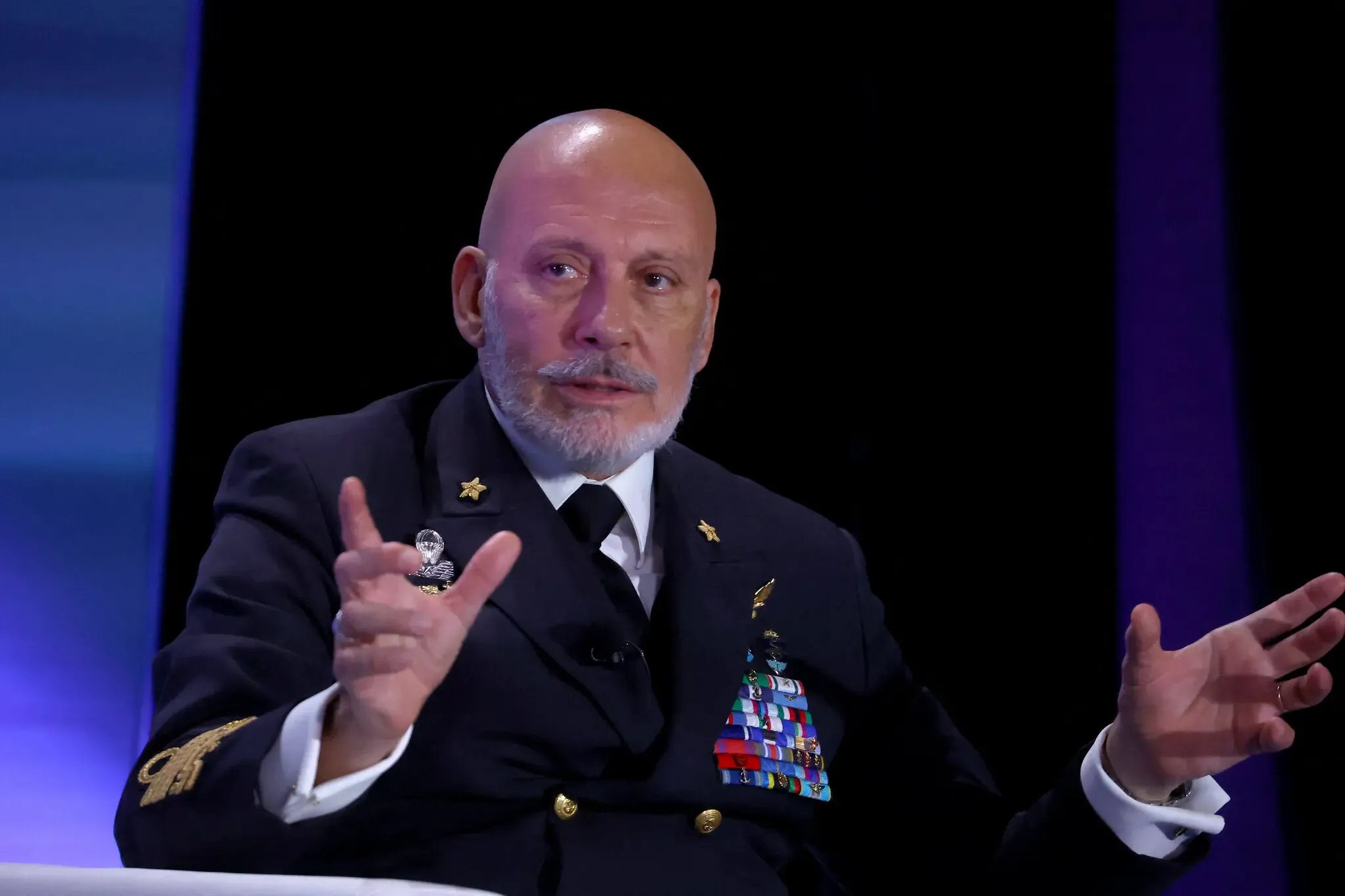
At NATO headquarters in Brussels, military chiefs met for what alliance leaders described as candid and serious discussions. Admiral Giuseppe Cavo Dragone, chair of NATO’s military committee, urged unity among the alliance’s 32 members, stressing that cohesion remains NATO’s greatest strength despite internal disagreements.
Rutte echoed that message, calling for continued support for Ukraine and more defensive capabilities, while emphasizing diplomacy as the only path forward on Greenland.
European Leaders Push Back Against U.S. Pressure
Several European officials openly criticized Trump’s approach. Belgium’s prime minister warned against Europe becoming submissive to American pressure, while France expressed readiness to participate in NATO military exercises in Greenland.
Finland’s president acknowledged the unpredictability of dealing with Trump but suggested tensions could ease through a broader focus on Arctic security.
Davos Overshadowed by Alliance Anxiety
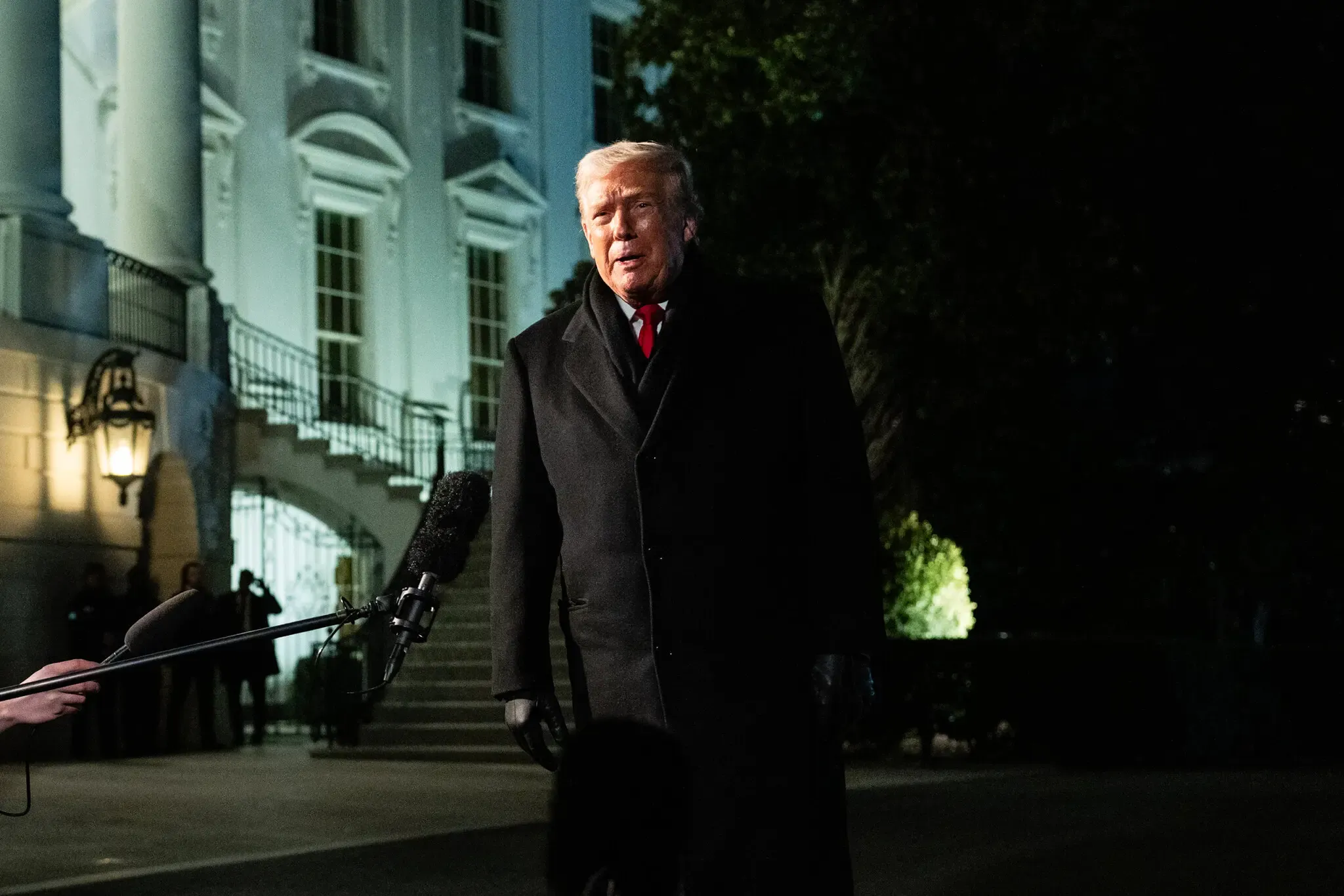
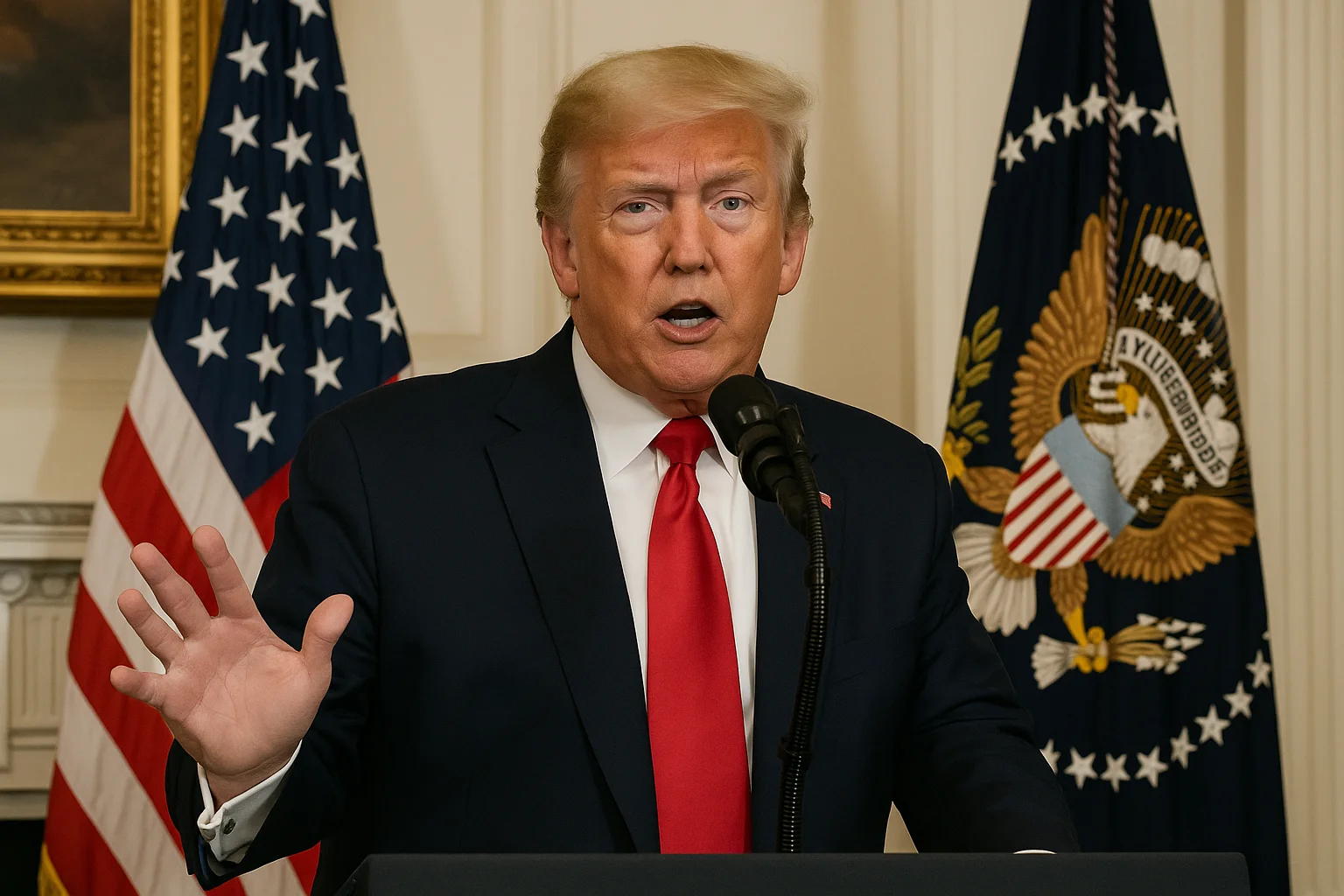
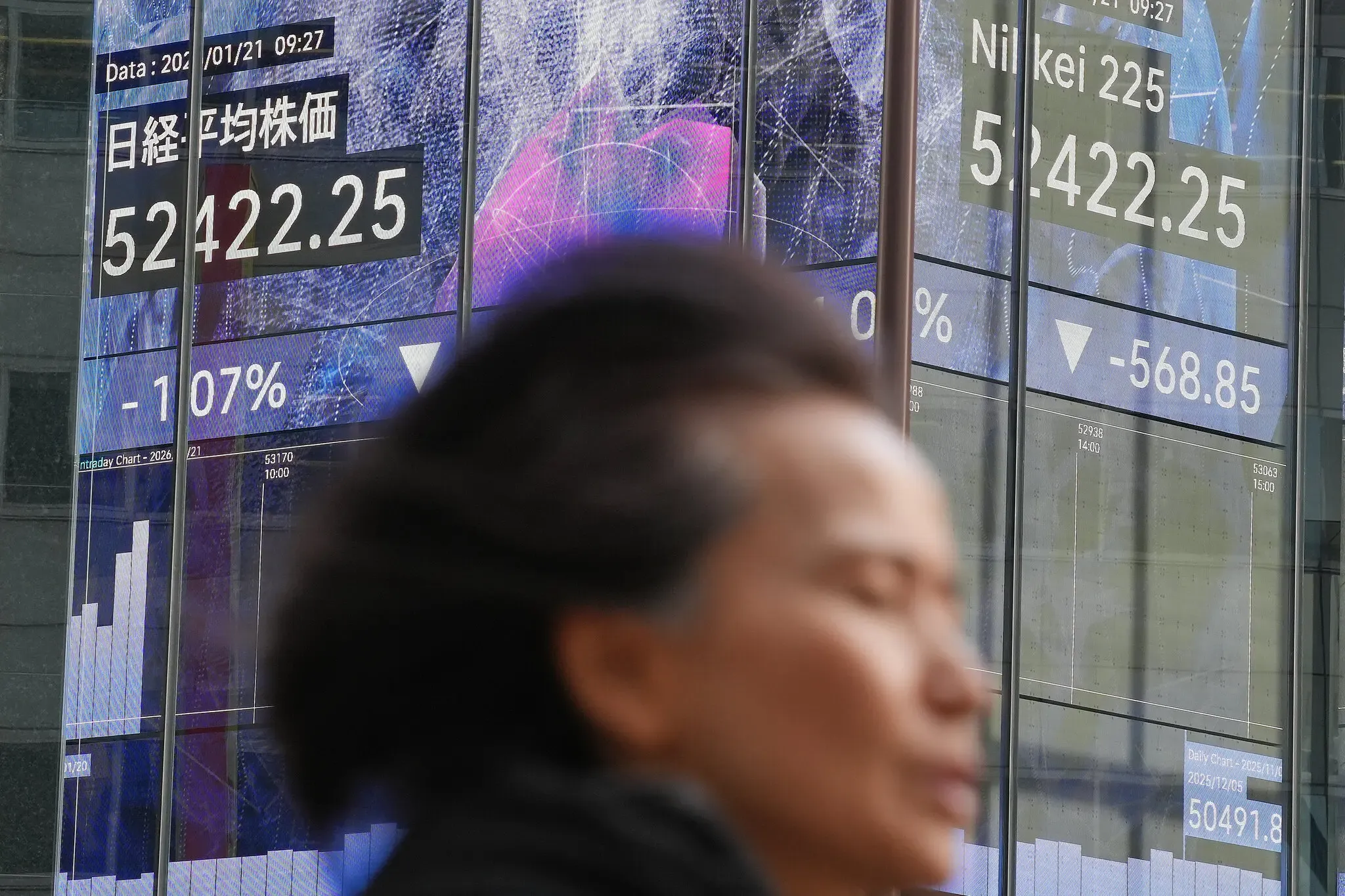
Trump’s arrival at the World Economic Forum has intensified concerns about the future of the trans-Atlantic alliance. European leaders are reassessing their reliance on Washington as Trump continues to raise the prospect of territorial expansion and economic retaliation.
French President Emmanuel Macron warned that imperial-style ambitions are resurfacing, while Canadian Prime Minister Mark Carney described the moment as a breakdown of the postwar global order.
Uncertain Path Forward for U.S.-Europe Relations
While EU leaders continue to favor dialogue, discussions are underway about potential countermeasures if tensions escalate further. European Commission President Ursula von der Leyen told lawmakers that global politics are increasingly defined by raw power, and Europe must adapt to that reality.
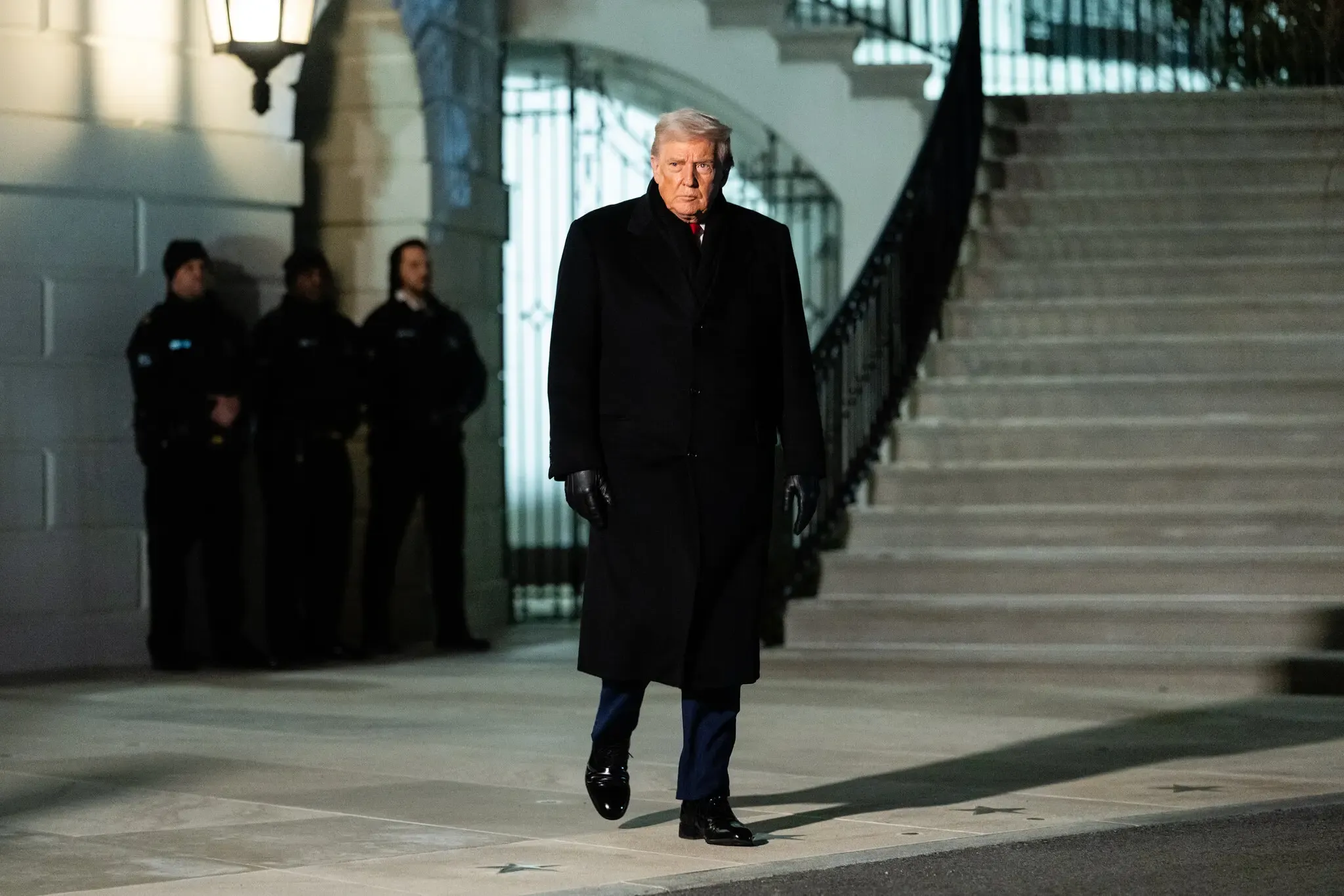
Trump is expected to address Davos attendees with a “special address,” hold meetings with foreign leaders, and outline plans related to global security and economic policy — including housing affordability back home.
As debates over Greenland dominate the summit, one question looms large: whether diplomacy can still hold together an alliance facing its most serious internal test in decades.