Gaza Border Set to Reopen, Limited to Palestinian Departures Only, Israel Says
03.12.2025
Israel Signals Limited Reopening of Rafah Crossing
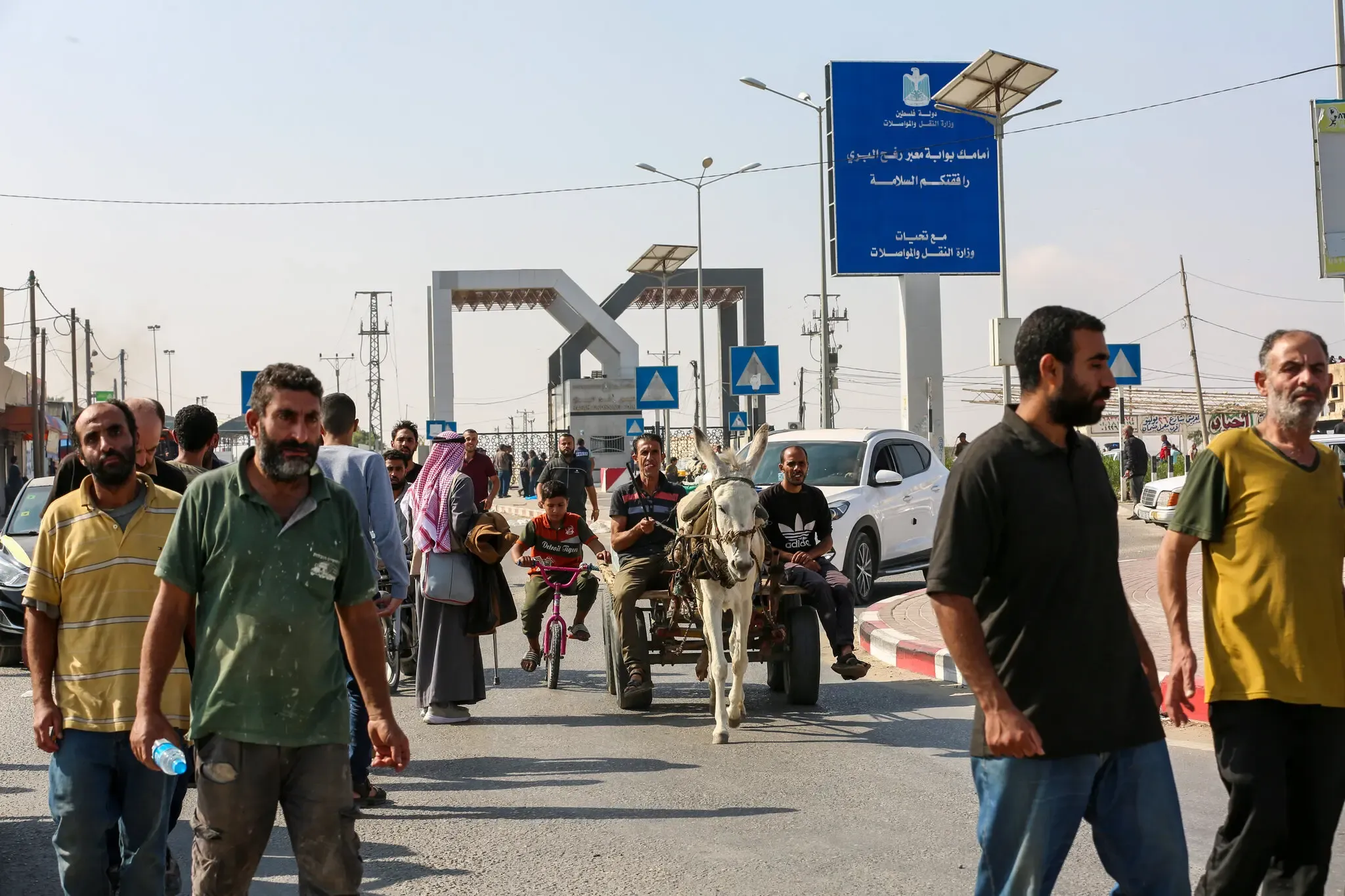
Israel said on Wednesday that it plans to let some Palestinians leave the Gaza Strip for Egypt “in the coming days” via the Rafah border crossing, a move it presented as part of a new arrangement for the frontier. The step, if carried out, would offer a crucial escape route for Gazans, especially those who are sick or severely wounded.
One-Way Passage, Under International Oversight
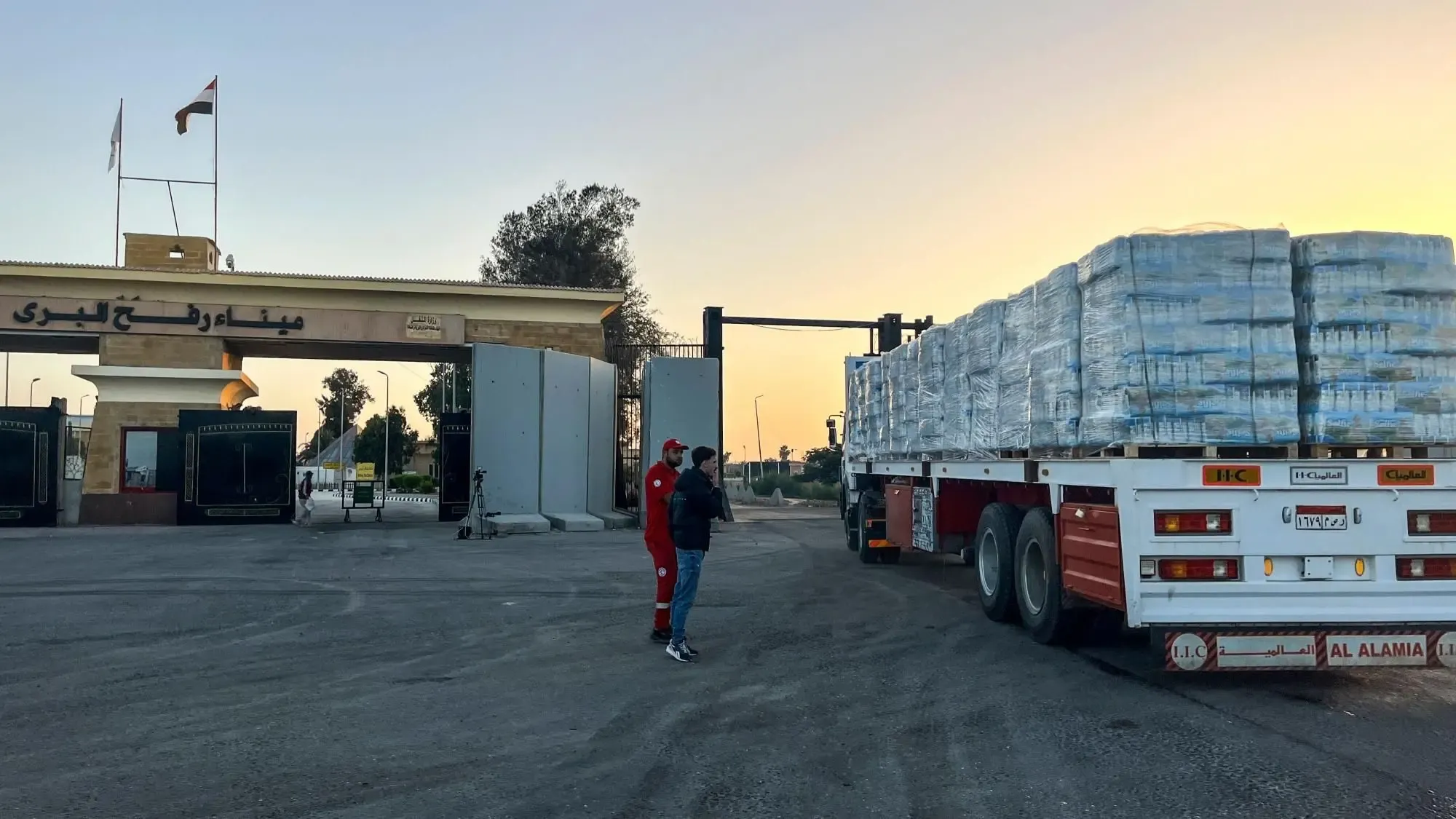
Israel’s agency in charge of humanitarian coordination, known as COGAT, announced that Rafah would reopen only in one direction — allowing Palestinians to exit Gaza but not return. According to COGAT, the crossing would be managed in cooperation with the European Union, alongside Egypt and Israel.
However, an immediate dispute emerged over the announcement. Egypt’s state information service said Cairo was not currently coordinating with Israel to reopen Rafah and insisted that, under the cease-fire deal reached between Israel and Hamas in October, the crossing must operate both ways. That would not only permit Gazans to leave for Egypt but could also allow tens of thousands displaced there to go back home. COGAT did not comment publicly on Egypt’s statement.
Cease-Fire Promises and Political Conditions
Israel had previously agreed to reopen Rafah as part of the October truce with Hamas, but the crossing remained shut. Shortly after that cease-fire began, Prime Minister Benjamin Netanyahu declared that Rafah would stay closed. He later tied its reopening to Hamas handing over all the remains of Israelis and foreign nationals still in Gaza.
COGAT’s latest announcement came after Palestinian militants transferred some of the last known bodies of captives from Gaza, though Israeli officials say two sets of remains are still missing. On Wednesday, Hamas said it would deliver another body to Israel through the International Committee of the Red Cross.
Unanswered Questions About Rafah’s Operation
Key details about the renewed use of Rafah remain uncertain, including when it will open and how many people will be allowed to leave. During the early months of the war, Rafah served as the principal exit from Gaza for Palestinians able to escape, especially those seeking medical care abroad. Israel has also, in some cases, permitted patients to transit through its own territory.
Israeli forces entered Rafah in May 2024 and took control of the crossing. Since then, Israel and Egypt have failed to agree on a mechanism to resume operations, leaving many sick and wounded Gazans stranded without adequate treatment.
The World Health Organization estimates that at least 16,500 Palestinians in Gaza still need care that the enclave’s shattered health system cannot provide.
Rafah briefly reopened in February during a cease-fire that collapsed in mid-March. At that time, E.U. border officials and security personnel from the internationally backed Palestinian Authority helped manage the crossing.
Limited Escape Options for Gazans
Throughout the conflict, most residents of Gaza have had no way to flee to neighboring countries. Those who did leave typically needed clearance from both Israeli and Egyptian security services.
The war began after the Hamas-led attack on Israel on Oct. 7, 2023, when more than 250 Israelis and foreign nationals were abducted. Two short cease-fires led to the release of over 130 hostages, while Israeli forces rescued several others and retrieved the bodies of more.
In October, Hamas freed the final 20 surviving captives and pledged to return the remains of those killed. That process has been slow: Hamas says some bodies were buried under rubble, while Israeli officials accuse the group of stalling.
Ongoing Search for Remaining Bodies
Israeli authorities believe that two bodies — one Israeli and one Thai national — are still somewhere in Gaza. Hamas, accompanied by Red Cross teams, has been excavating areas of the territory in an attempt to locate them.
Whenever remains are recovered, Israel conducts forensic tests to determine whether they belong to the missing captives. On Tuesday, Hamas turned over remains that Israeli officials later said were not those of any of the final two hostages, underscoring the difficulties surrounding both the search for bodies and the broader negotiations over Rafah’s future.