Paris Travel Guide for First-Time Visitors
03.12.2025
Your First-Time Guide to Paris
Experiencing Paris for the first time is both exciting and a little overwhelming. This is a city where centuries of history are layered into every cobblestone alley, and where even a neighborhood café can become the highlight of your day. With 20 arrondissements (districts) spiraling outward from the Seine, Paris is compact enough to walk yet packed with more to see and do than you could possibly fit into one visit.
Should you sprint to the “must-sees” like the Eiffel Tower, the Louvre and Notre-Dame, or chase the vibrant, everyday city Parisians actually live in? The real magic lies in mixing both: the postcard views and the modern, lived-in Paris.
Use this guide as a foundation for your first trip — and probably not your last. Parisians favor a slower rhythm, so follow their lead: pick one or two neighborhoods at a time, wander without rushing, and let the city unfold. When your feet start aching or you’re convinced you can’t eat another bite, find a bench in a park, exhale and map out your next move.
What to Do
The Essentials
A debut visit should combine iconic sights, beloved museums and the small, everyday rituals that make Paris feel unique.
Terrace Culture
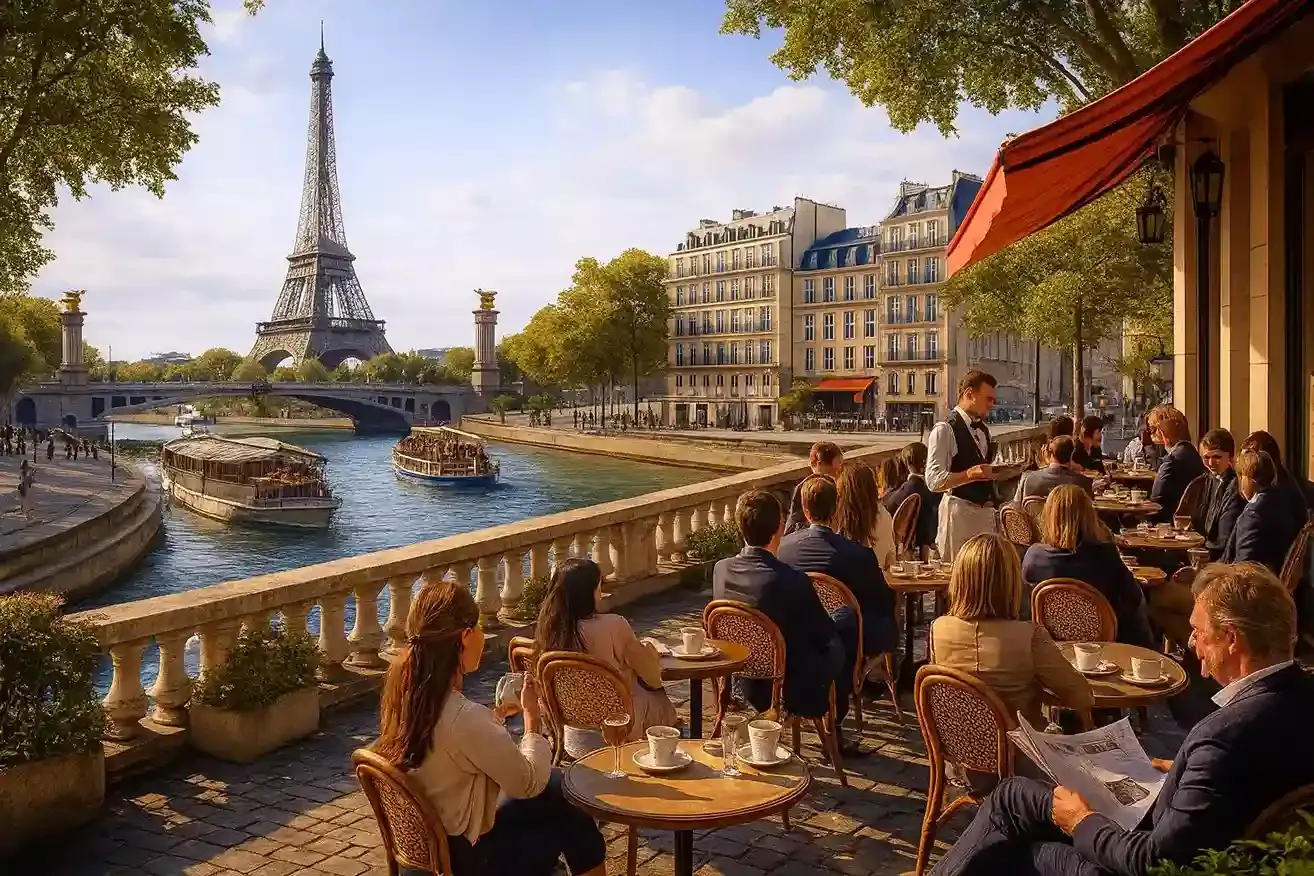
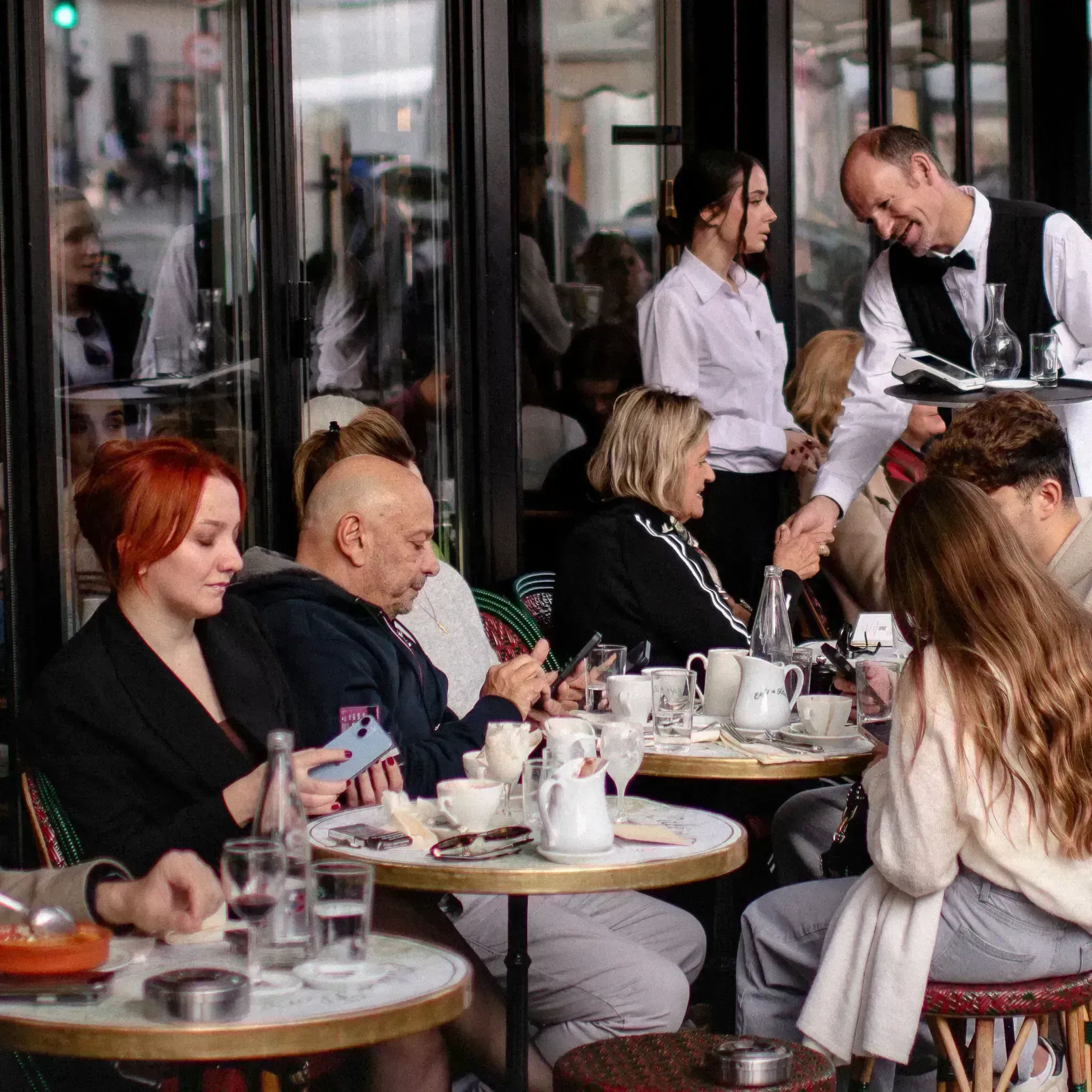
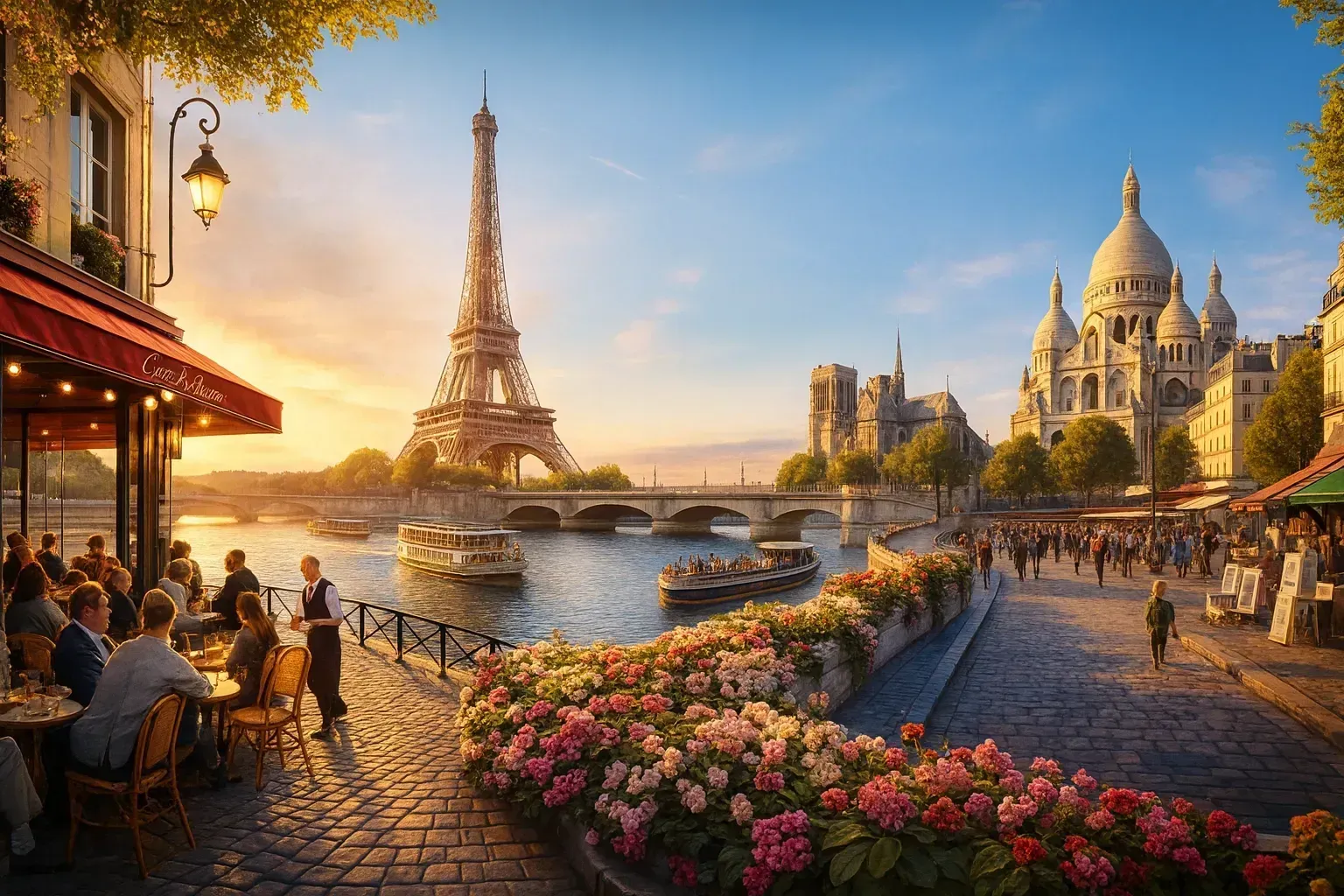
In every district and at almost any time of day, you’ll see people lingering on café terraces: sipping coffee or wine, chatting with friends, writing, or simply watching the world go by.
Try the ritual at storied addresses like Les Deux Magots or Le Nemours, or join locals at more low-key spots such as À la Renaissance or Le Progrès.
Tip: Go midmorning or late afternoon, outside lunch and dinner hours, for more relaxed service and less pressure to free up your table.
A Cruise on the Seine
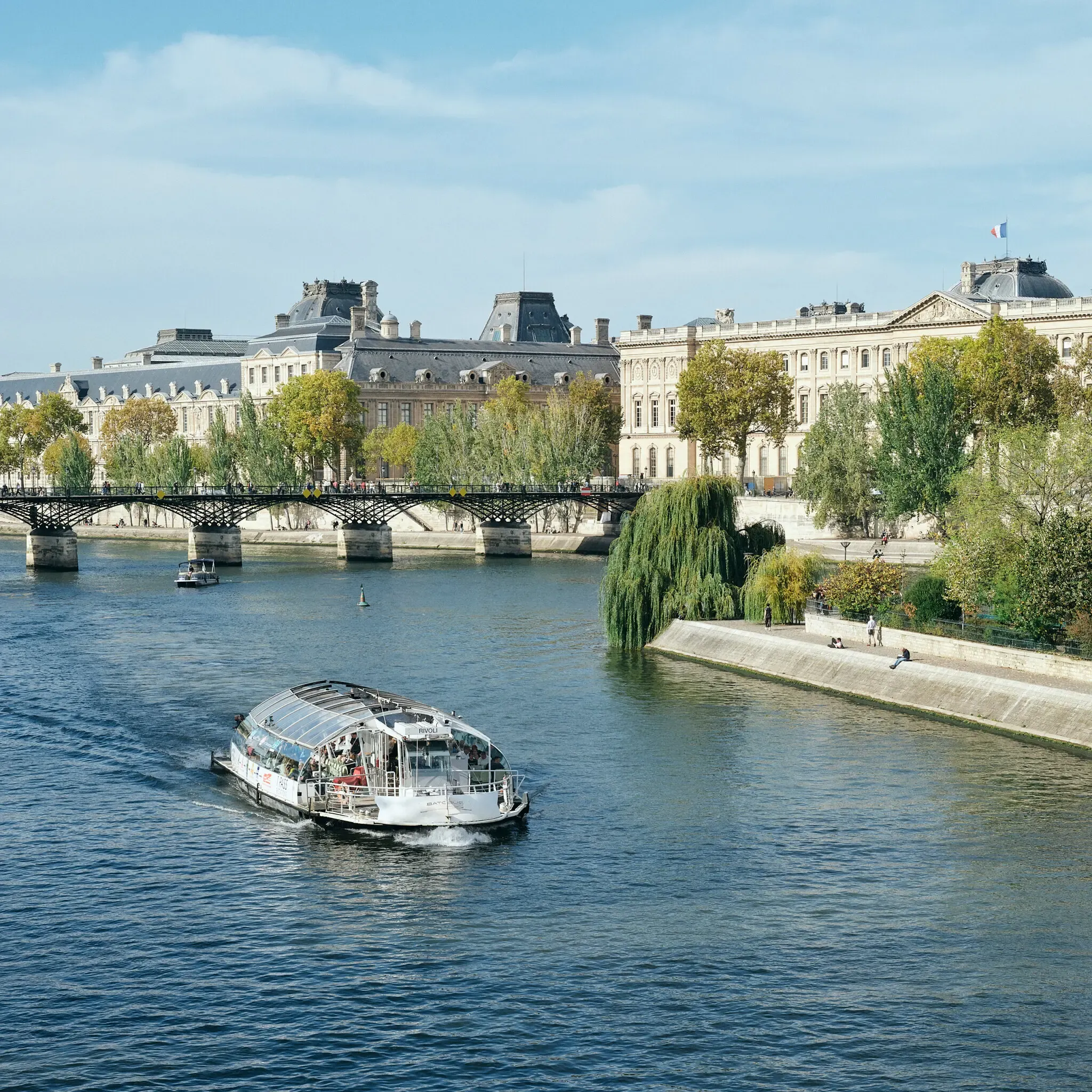
Because Paris grew along the Seine, seeing it from the water gives you a sense of the city’s spine. Group cruises with Bateaux Mouches or Vedettes du Pont Neuf are easy and scenic, while a private trip with Green River Cruises offers more peace and space.
Tip: Sunset departures are especially memorable, as monuments light up and locals gather along the banks with picnics and music.
Breads and Pastries
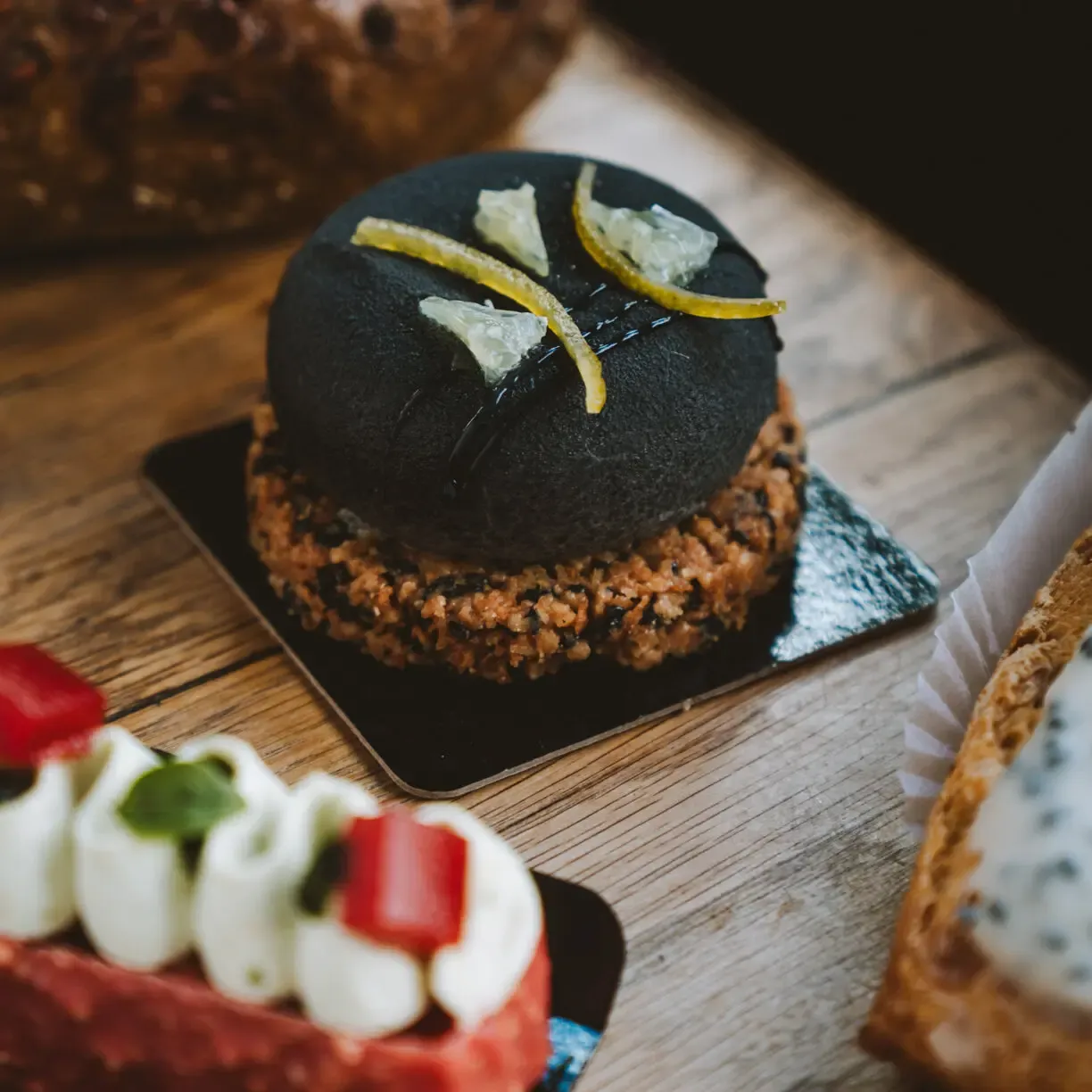
The city’s roughly 1,300 boulangeries and pâtisseries blend classic recipes with creative flair.
-
Mamiche for decadent cream puffs and babka
-
Poilâne for hearty, rustic sourdough
-
Utopie for award-winning baguettes and playful éclairs
-
La Maison d’Isabelle for a celebrated croissant
-
Pierre Hermé for inventive macaron flavors
-
Tapisserie for a standout maple-syrup tart
Tip: Arrive early for the full range of options, or stop by after lunch and before the 4 p.m. goûter (afternoon snack) rush.
Top Attractions
Paris earns its reputation as the City of Light at nearly every turn. These classic sights are crowd-pleasers for a reason.
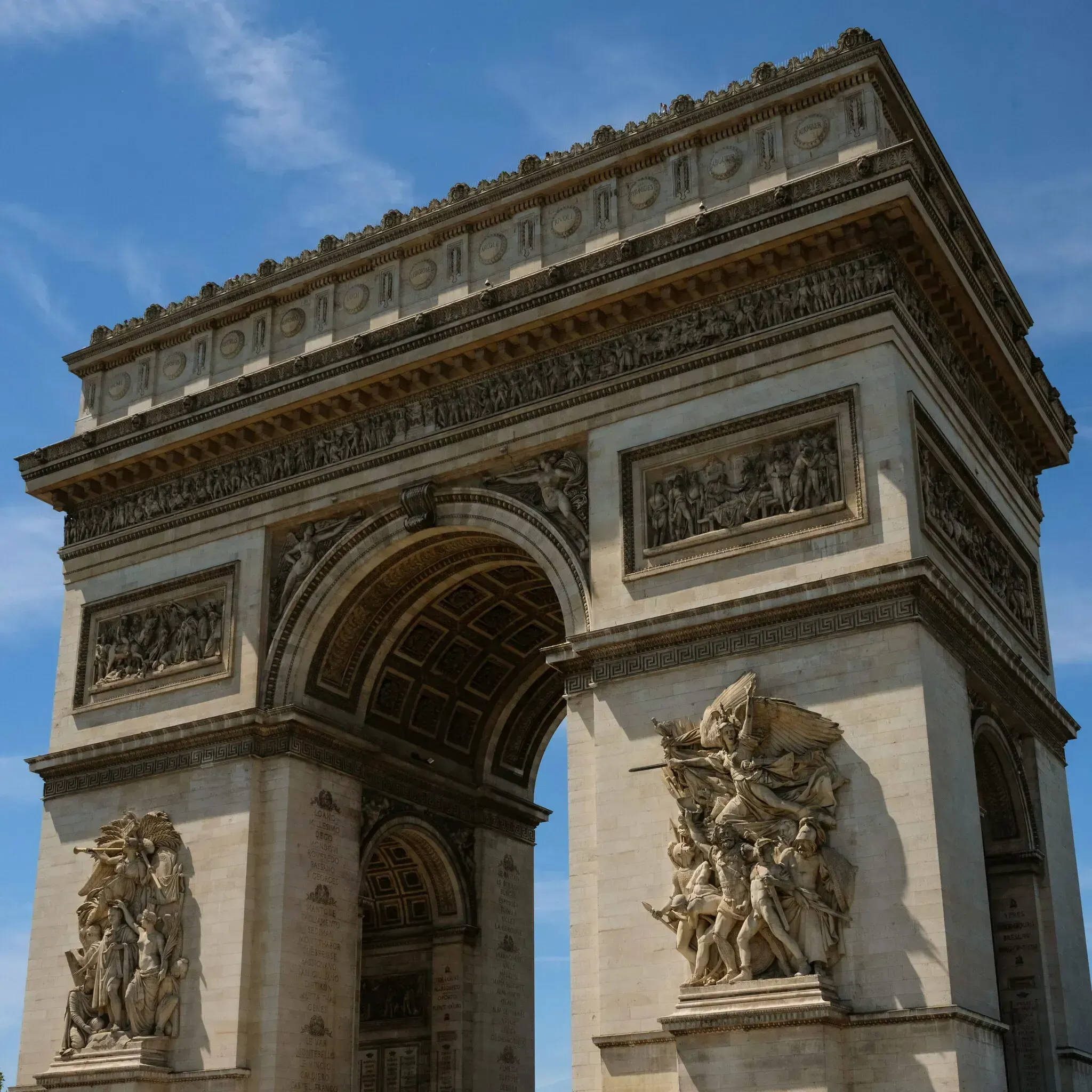
Arc de Triomphe
Commissioned by Napoleon in 1806 and inspired in part by Rome’s Arch of Titus, this monumental arch honors his armies. You can climb to the roof terrace for far-reaching views down the grand avenues. Beneath, sculpted reliefs and an eternal flame commemorate France’s fallen soldiers.
Tip: Walk the 1.2-mile stretch from the Arc along the Avenue des Champs-Élysées to Place de la Concorde for a classic Paris promenade.
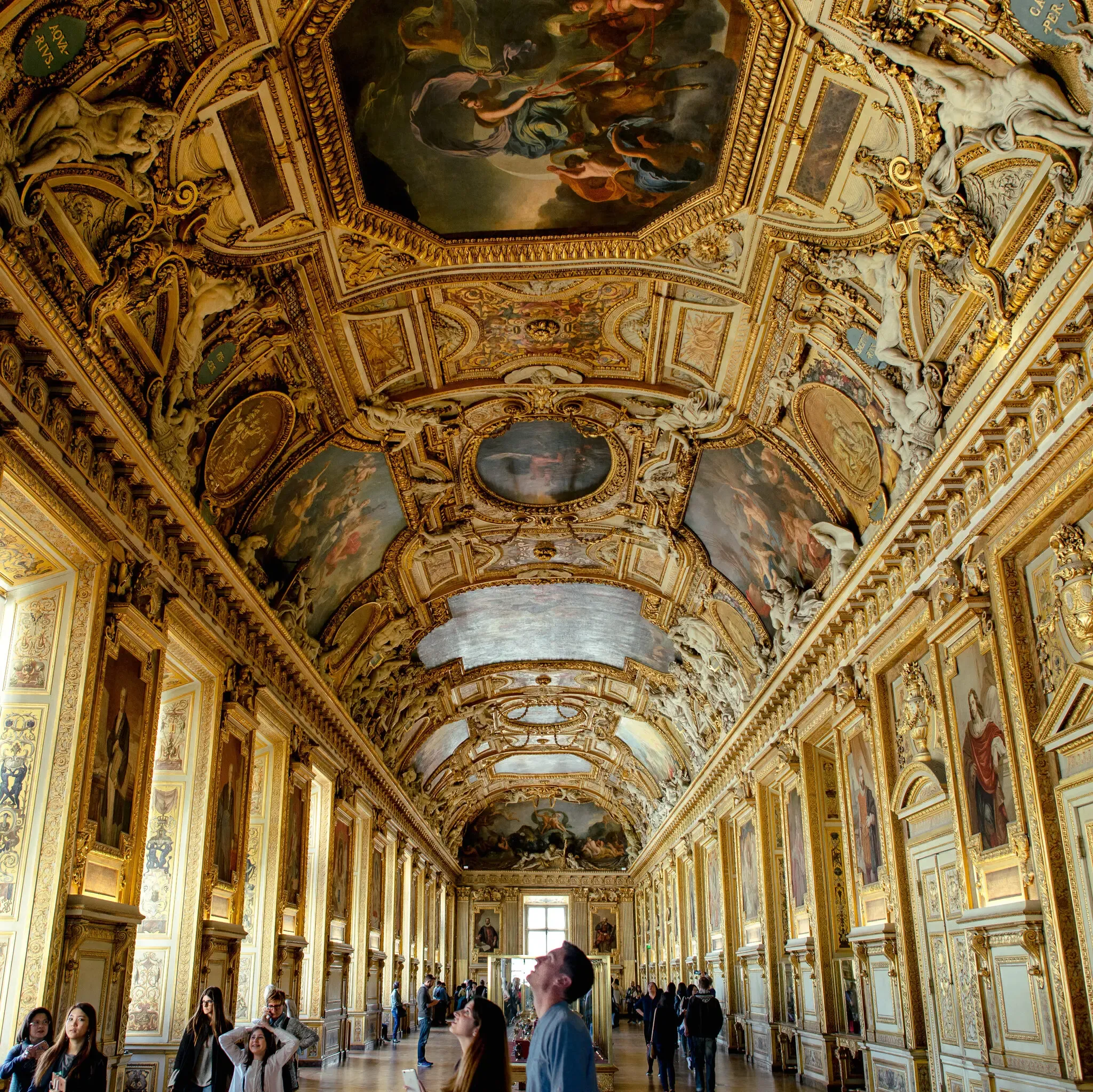
Sacré-Coeur Basilica
The gleaming white domes of Sacré-Coeur sit high above the city in Montmartre and offer one of Paris’s most panoramic views. Entry to the basilica and Mass is free, making it easy to slip in for a quiet moment.
Tip: For an even better vantage point, pay about €8 to climb nearly 300 narrow steps up to the dome.
Panthéon
Originally built as a church to honor Saint Geneviève, the Panthéon later became a civic monument celebrating French greats. Today it is the resting place of figures such as Voltaire, Marie Curie and Joséphine Baker, all set within a grand neoclassical structure.
Tip: Look for the replica of Foucault’s pendulum, echoing the historic experiment first shown here in 1851 that demonstrated the Earth’s rotation.
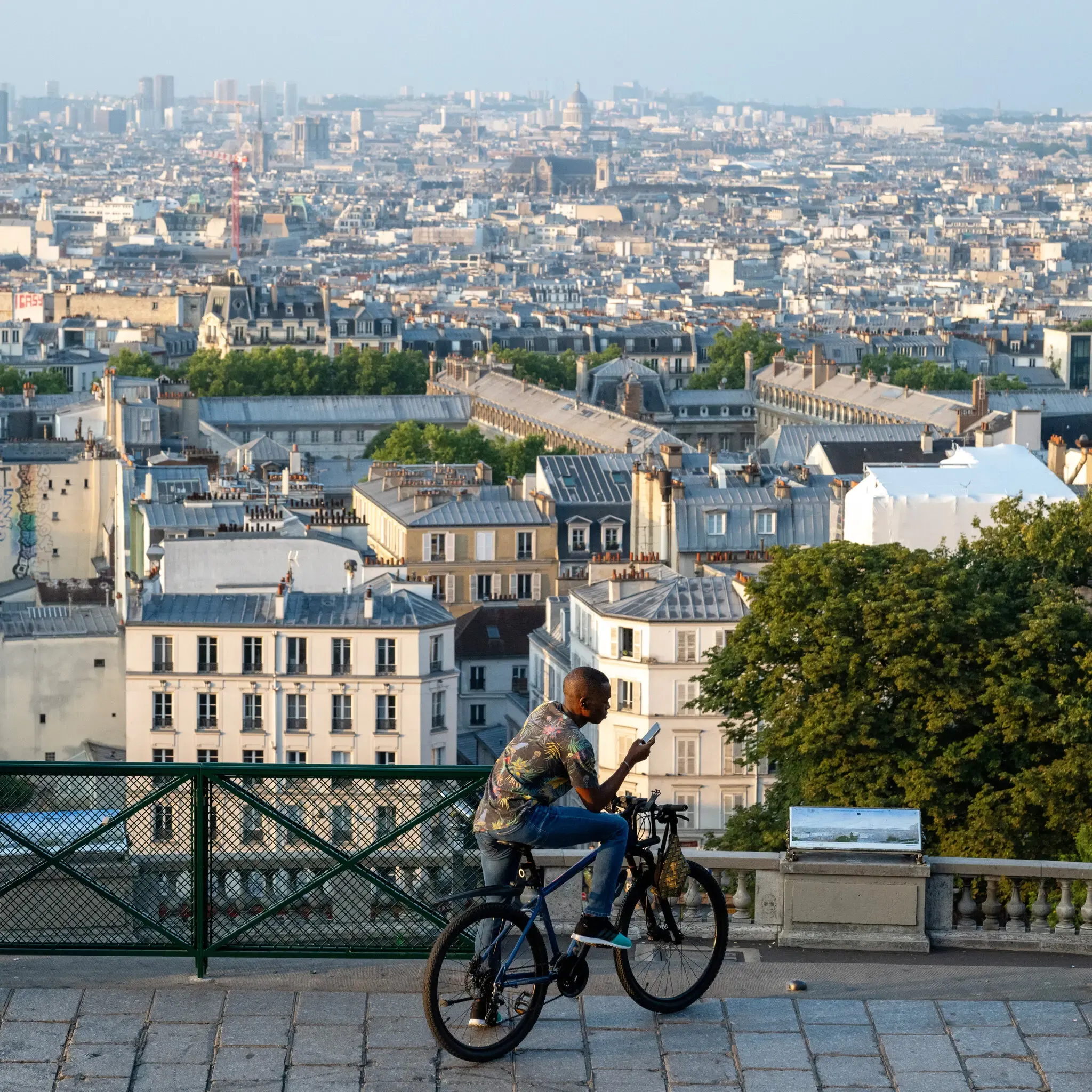
Neighborhoods
Each of Paris’s 20 arrondissements has a distinct character. These areas give a rich overview of the city on a first trip.
Paris Center (1st–4th Arrondissements)
From the Marais to the Louvre, through the Tuileries Gardens and the small “Little Tokyo” pocket, central Paris is the historic heart of the city. Here you’ll find many of the essentials: river walks, café terraces, landmark museums and iconic monuments.
Best for: Art lovers, fashion enthusiasts, culture seekers
Where to stay: Caron de Beaumarchais ($$)
Things to do:
-
mahJ – Museum of Jewish Art and History ($)
-
Musée de la Chasse et de la Nature ($)
-
Musée Carnavalet, devoted to the history of Paris (free) 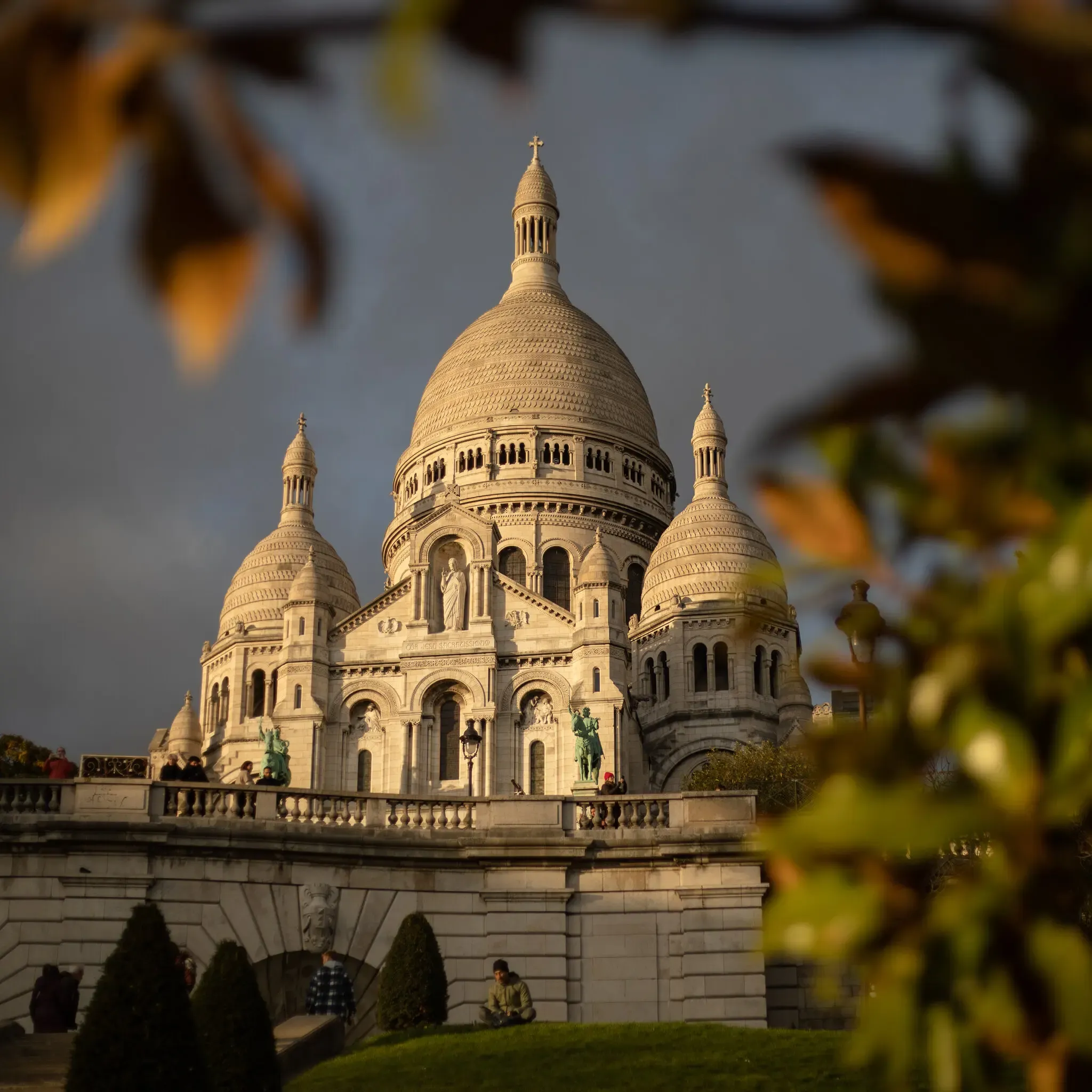
Montmartre
High on a hill, Montmartre’s maze of streets still carries echoes of Picasso, Modigliani and the bohemian artists who once made it home. The area keeps a village-like feel, with cobblestone squares, independent bakeries, corner cafés and views over the city. At its center sits Clos Montmartre, a small working vineyard that hints at the neighborhood’s agricultural past.
Best for: Sightseers, romantics, families
Where to stay: Elysée Montmartre Hotel ($$)
Things to do:
-
Musée de Montmartre ($)
-
Halle Saint-Pierre, showcasing outsider and folk art ($–$$)
-
Au Lapin Agile, a historic cabaret ($$–$$$)
Where to eat and drink:
-
Maison Aleph ($)
-
Gisou ($$)
-
Bouillon Pigalle ($)
St.-Germain-des-Prés and the Latin Quarter
These side-by-side Left Bank neighborhoods showcase two complementary faces of Parisian intellectual life.
St.-Germain is polished and timeless, known for its literary cafés and elegant bookshops where thinkers like Jean-Paul Sartre once gathered. The Latin Quarter, anchored by the Sorbonne, is livelier and more student-focused, with buzzing bars, budget-friendly eateries and narrow, busy streets. Between the two you’ll find art galleries, independent bookstores and the green expanse of the Jardin du Luxembourg.
Best for: Bon vivants, romantics, students
Where to stay: Hôtel Dame des Arts ($$$)
Things to do:
-
Institut du Monde Arabe ($)
-
Musée National Eugène Delacroix ($)
-
Caveau de la Huchette, a jazz and swing club ($$)
Where to eat and drink:
Go Deeper
If you have more time, add a few experiences that deepen your connection with Paris and its surroundings.

Château de Versailles
Roughly 30 to 60 minutes from Paris on the RER C train, Versailles offers an up-close look at royal life during the reign of Louis XIV and Marie Antoinette. Explore the Hall of Mirrors, ornate state rooms and sprawling gardens filled with fountains and tree-lined paths.
Tip: Start your day in the main palace as soon as it opens, then retreat to the gardens and the Trianon estates when the interiors get busy.
Picasso Museum
Set inside a grand mansion in the Marais, this museum houses the world’s largest Picasso collection, covering painting, sculpture, drawing and ceramics. It offers a detailed look at the many phases of his work.
Tip: Carve out time for the temporary exhibits, which often spotlight modern and contemporary artists — frequently women — in conversation with Picasso’s legacy.
Musée de l’Orangerie
Originally built to protect the Tuileries’ orange trees, this exhibition space now showcases Monet’s monumental “Water Lilies” panorama in two specially designed oval rooms. The lower floors feature works by Cézanne, Matisse and other leading artists, plus rotating exhibitions.
Tip: Visit at opening time to enjoy Monet’s “Water Lilies” in relative quiet; as the rooms fill, the immersive atmosphere changes.
Shopping
Paris is a dream destination for browsing, whether you gravitate toward historic department stores or neighborhood shops.
À la Mère de Famille
One of the city’s oldest chocolatiers, this sweet shop retains its vintage charm: wood-paneled walls, glass jars filled with bonbons and an array of chocolates that delight kids and adults alike.
Le Bon Marché Rive Gauche
Often cited as one of the first true department stores, Le Bon Marché draws locals with its curated mix of fashion, accessories and design. Its gourmet food hall, La Grande Épicerie, is a must for food lovers.
Galeries Lafayette and Printemps Haussmann
These two Art Nouveau department stores stand side by side and are known for their ornate domes and grand interiors. Both are strong for fashion and beauty; Galeries Lafayette also offers a rooftop terrace with sweeping 360-degree views of the city.
Where to Stay
Hotels
Beyond its famous palace hotels, Paris is full of stylish boutique properties and more affordable options with plenty of personality.
Hôtel de Crillon
Overlooking Place de la Concorde, this 18th-century grand hotel offers six dining and drinking venues, an opulent spa and a gilded bar with a frescoed ceiling that Parisians frequent. One of its lavish suites is said to be where Marie Antoinette once took piano lessons.
Hotel Balzac
Located on what was once Honoré de Balzac’s estate, this hotel embraces 1930s elegance with an intimate bar, a Japanese-influenced spa and comfortable rooms that feel roomy by Paris standards.
Le Grand Mazarin
This hotel leans into maximalist design, with patterned fabrics, canopy beds and bold colors. A frescoed indoor pool and a lively basement lounge, often full of dancing locals, make it feel like a social hub as much as a place to sleep.
Where to Eat and Drink
Breakfast and Lunch
Paris is still devoted to its classic croissants, tartines and café crème, but the breakfast scene has broadened. At midday, sandwiches, stews and modern bistros make lunch worth planning ahead for.
Café Verlet
Between the Louvre and the Palais-Royal, this historic coffeehouse serves carefully sourced single-origin coffees and teas, along with both sweet and savory breakfast and brunch dishes.
Maison Fleuret
A former bookshop turned cozy café, Maison Fleuret pairs vegetarian-friendly breakfast plates with shelves lined with titles from Gallimard, one of France’s most respected publishers.
Le Petit Vendôme
Here, the line forms for the signature jambon-beurre: a simple but perfect sandwich of bone-cooked ham and unsalted butter piled into a crisp baguette.
The Basics
Do I Need a Visa?
U.S. travelers do not need a visa for stays of under 90 days in France. Around late 2026, American visitors will need to obtain authorization via the European Travel Information and Authorization System (ETIAS).
When Is the Best Time to Visit?
From mid-autumn through spring, crowds thin and the city feels more relaxed, making these shoulder seasons ideal. As in much of Europe, mid-August is best avoided if possible, since many restaurants and shops close for holidays.
What Currency Is Used?
France uses the euro. Mastercard and Visa are widely accepted, though some smaller businesses have a minimum spend for card payments. Keep some cash on hand for small purchases and tips. ATMs are common throughout the city.
Do I Need a Converter or Adapter?
You’ll need a plug adapter that fits France’s Type C or E outlets. Many modern electronics accept 220–240V, but verify your devices’ voltage requirements before you travel.
Is Tipping Required?
Service is usually included in restaurant bills, so tipping is optional. Still, rounding up the bill or leaving small change is appreciated at casual spots or in taxis. In hotels and fine-dining restaurants, a 5–10 percent tip is a courteous gesture. More places now offer a card payment tip option as well.
Is Tap Water Safe to Drink?
Yes. Paris tap water is safe, and the city maintains about 1,200 public drinking fountains, many of them in parks and gardens. Some fountains even dispense sparkling water, so bring a reusable bottle.
Which Airport Should I Use?
Most international flights arrive at Roissy–Charles de Gaulle (CDG), northeast of Paris. Some flights land at Orly (ORY), located south of the city.
How Do I Get From the Airport to Central Paris?
From CDG, the most budget-friendly options (both about €13 one way) are:
-
The RER B regional train, about 25 minutes to Gare du Nord
-
The Roissybus, which may take up to an hour and drops you near Opéra Garnier
From Orly Terminal 3, metro line 14 connects directly to Châtelet in central Paris in roughly 25 minutes (also around €13).
Taxis and ride-share services from CDG to central Paris usually cost €56–€65; from Orly, expect around €36–€45.
Do I Need a Car?
No. Paris is one of Europe’s best cities for public transit, and driving can be more hassle than help. The metro, buses, trams, regional trains, bikes and walking will easily cover your needs.
Are Ride-Share Apps Available?
Yes. Uber and Bolt are widely used. FreeNow and G7 apps connect you with official taxis, which sometimes move faster thanks to access to bus lanes.
Is There a Dress Code for Restaurants?
A few upscale restaurants ask for jackets and ties, but most places lean toward neat, casual attire. Think polished but comfortable, rather than ultra-formal.
How Should I Dress to Blend In?
Parisians favor smart casual: well-fitting jeans or trousers, simple tops, sleek sneakers or leather shoes, and a jacket or coat depending on the season. Athleisure is generally reserved for workouts, not sightseeing. Avoid leggings as pants, bike shorts, sports bras as outerwear and overly flashy pieces or hard-to-walk-in shoes like stilettos or flip-flops. As fashion director Vanessa Friedman of The New York Times suggests, choose outfits you can walk in easily and that don’t shout for attention — you’ll feel more at home in the city and more comfortable all day.