Wild Landscapes and a Celebrity Koala: A Journey Across an Australian Island
21.01.2026
Kangaroo Island: Wildlife Encounters, Recovery, and a Delicate Balance
With dramatic coastlines, pristine beaches, and extraordinary wildlife, Kangaroo Island continues to draw travelers back again and again. Located about 70 miles off the coast of South Australia, the island feels remote and wild — yet familiar to those who have visited before. For repeat visitors, however, wonder is now paired with reflection: how is the island recovering from the devastating 2020 bushfires, and how will growing tourism shape its future?
One unforgettable moment defined this latest visit. As our boat cut through the water, dozens of dolphins began swimming alongside us. At the captain’s signal, several passengers slipped into the sea. Through my mask, I saw two dolphins just feet away — one meeting my gaze, the other playfully rolling beneath the surface. After multiple trips to Kangaroo Island over the years, this was among the most magical wildlife experiences I’ve ever had.
A Place That Evolves Without Losing Its Spirit
Marine adventures on Kangaroo Island have changed over time. Years ago, swimming with dolphins was only an idea in the mind of local fisherman Andrew Neighbour. Today, his company offers close encounters with pods of bottlenose dolphins that gather in sheltered waters along the island’s north coast. Seals and soaring white-bellied sea eagles are often part of the same scene.
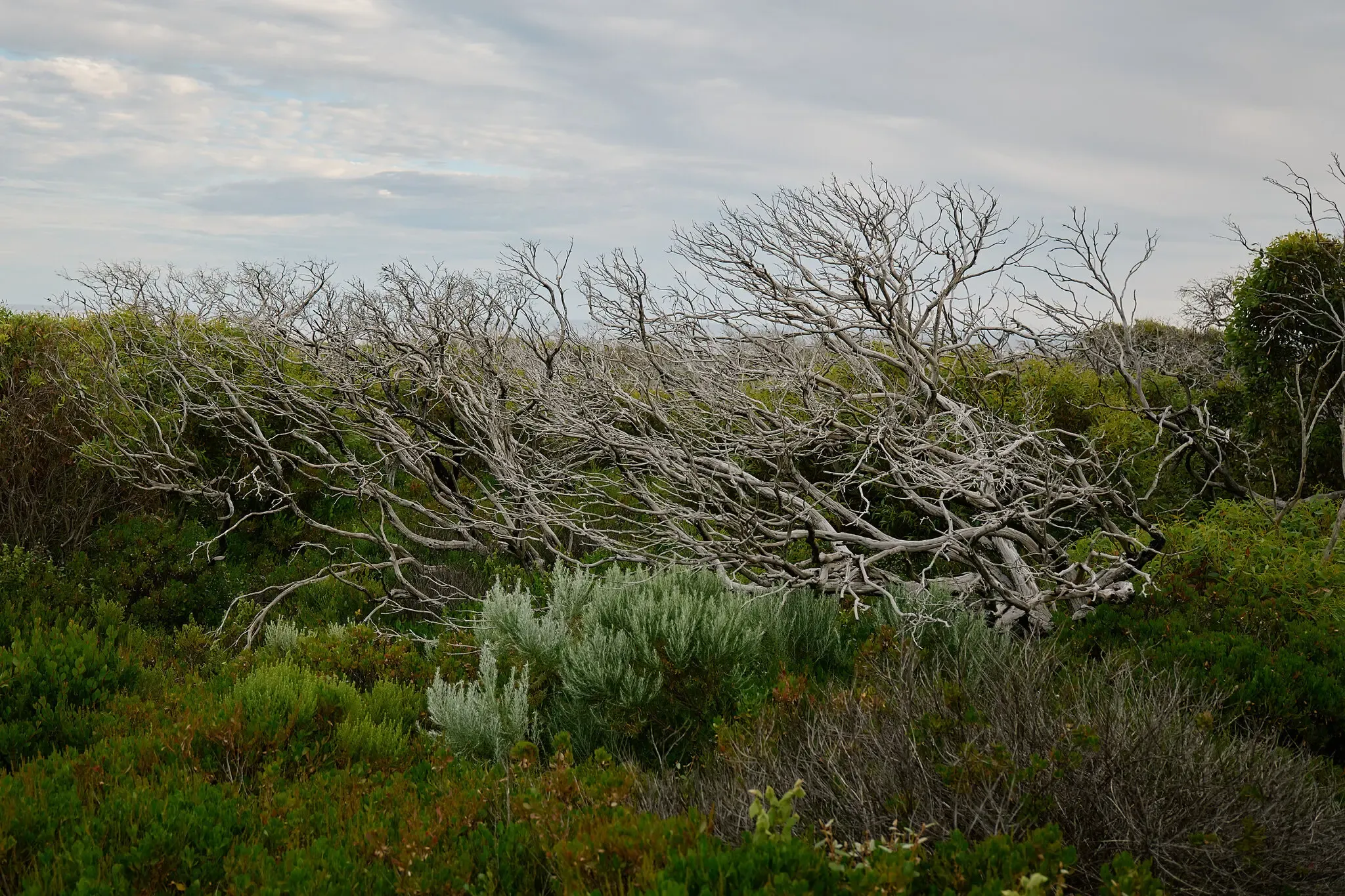
Yet excitement about new experiences is tempered by concern. The 2020 fires burned large portions of the island’s western end, killing people, livestock, and countless native animals. At the same time, visitor numbers have steadily increased over the years, raising questions about sustainability and long-term impact.
Iconic Landscapes That Still Inspire Awe
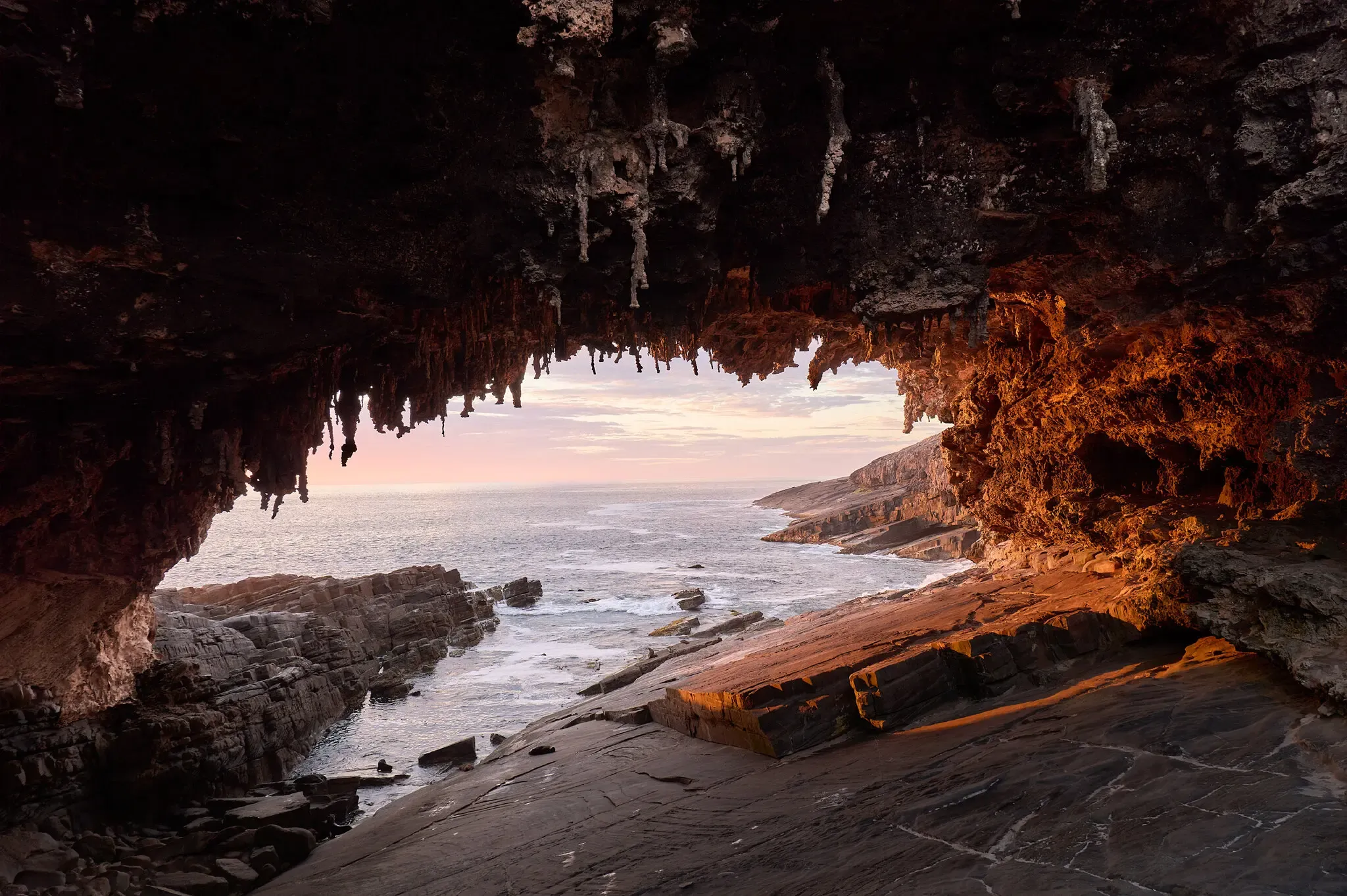
Despite traveling during the busy summer season, the island rarely felt crowded. The main exception was Flinders Chase National Park, where visitors cluster to see long-nosed fur seals near Admirals Arch — a massive rock formation carved into the cliffs, framing waves crashing below.
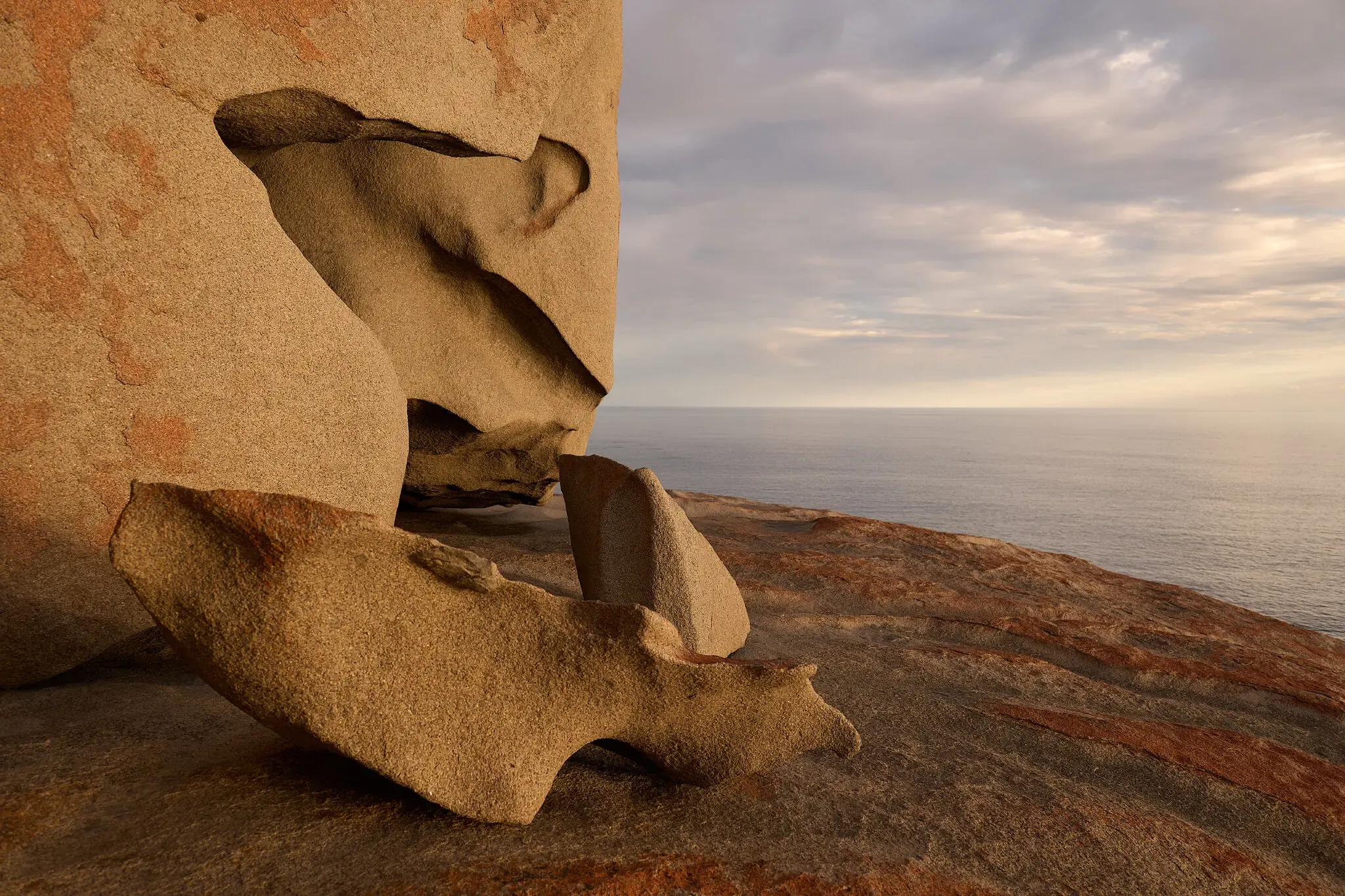
Nearby, the Remarkable Rocks rise dramatically from the landscape. These enormous granite formations, shaped by centuries of wind and water, resemble something otherworldly. Even after multiple visits, their visual power remains undiminished, drawing people to climb, explore, and photograph their unusual contours.
Koalas, Fire, and Hard Ecological Truths
Some animals survived the fires by sheltering underground, but others were not so fortunate. Kangaroos, wallabies, and especially koalas suffered severe losses. Estimates suggest that nearly half of the island’s koala population was wiped out.
Researchers point out a complicated reality: koalas are not native to Kangaroo Island, and their population had previously placed heavy strain on local eucalyptus forests. The fires, while tragic, also exposed deeper ecological challenges that continue to shape conservation efforts today.
Larry the Koala and Close-Up Wildlife Moments
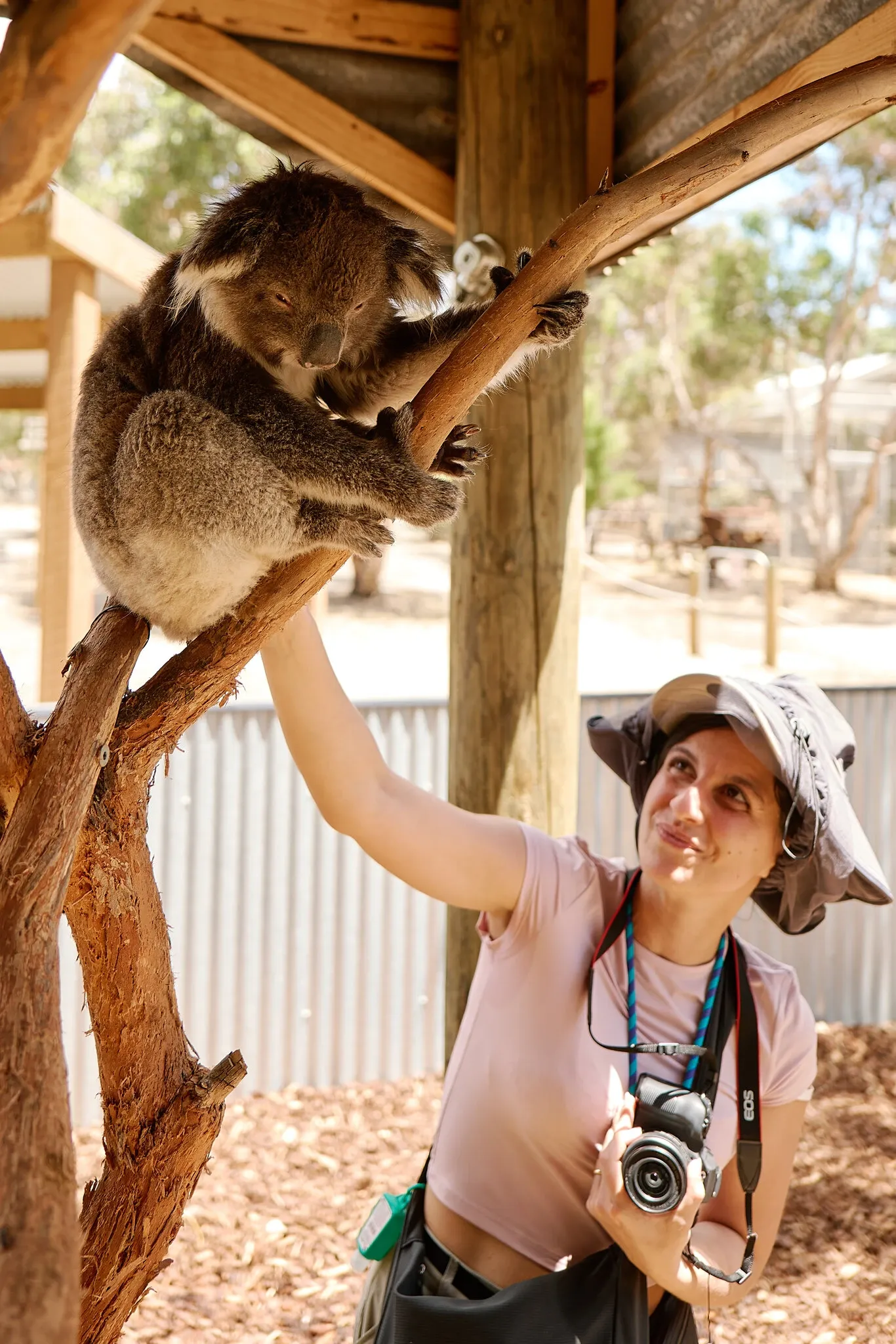
One of the most touching encounters was meeting a rescued koala named Larry at the relocated Kangaroo Island Wildlife Park. Injured during the fires, Larry was released multiple times but kept returning, eventually becoming a permanent resident.
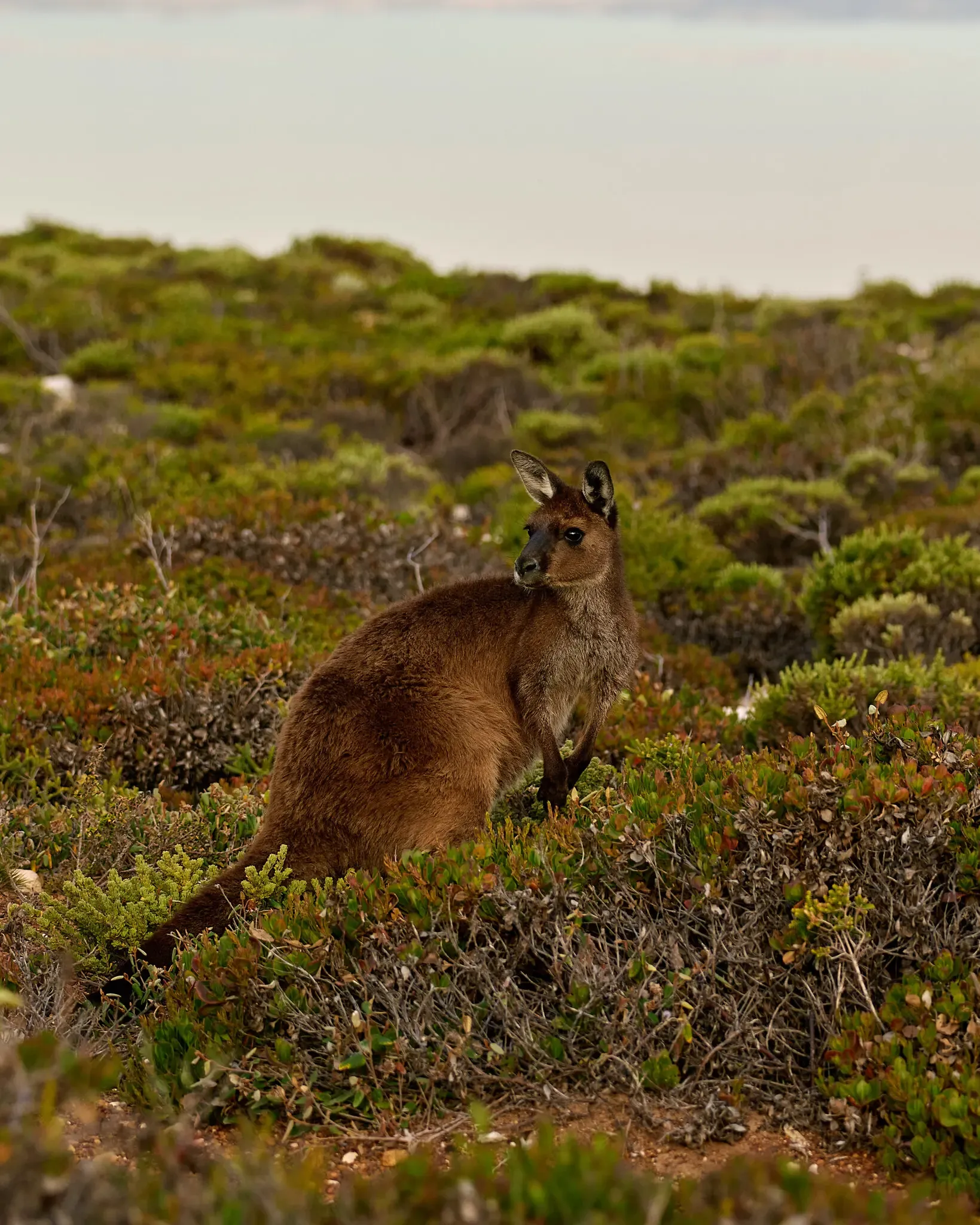
The park also houses fairy penguins, wallabies, dingoes, emus, and other native species. Outside of wildlife centers, animals are everywhere — kangaroos frequently cross roads at dawn and dusk, snakes sun themselves on warm pavement, and encounters with wild animals feel like part of daily life.
Food, Drink, and a Growing Culinary Identity
While wildlife remains central to the island’s appeal, Kangaroo Island’s food and drink scene has gained attention in recent years. Breweries, wineries, and distilleries now dot the landscape, many using native botanicals and local ingredients.
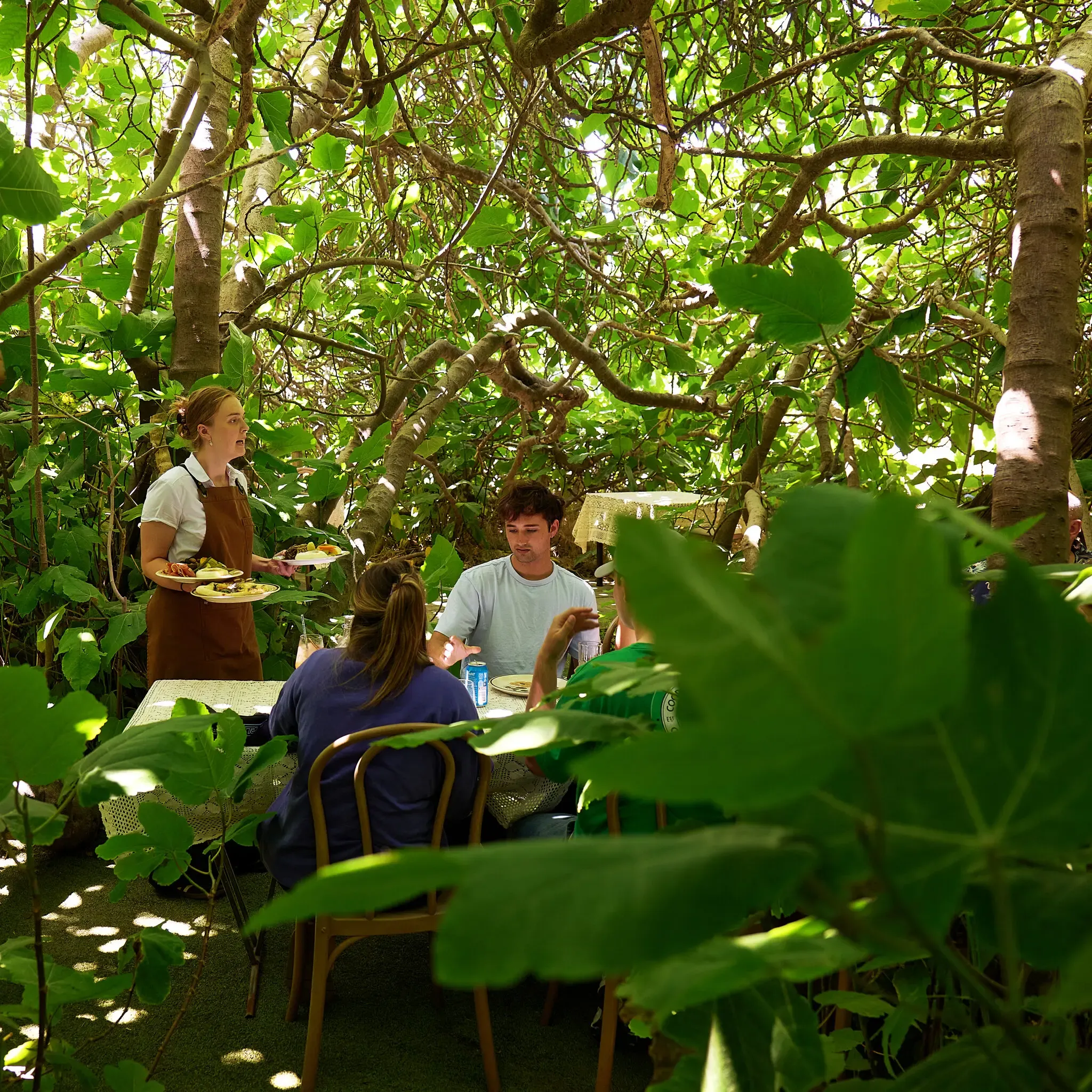
One standout experience is dining at Fig Tree restaurant, where meals are served beneath the branches of a massive fig tree. What began decades ago as an intimate setup has evolved into a seasonal, multi-course dining destination — a symbol of how the island’s culinary culture has matured.
Looking Ahead With Care
After beach walks along turquoise water and white sand, it’s clear that change is underway. New resorts are being built, transportation options are expanding, and tourism continues to grow. Still, many locals believe the island’s long-standing respect for nature will guide its future.
That balance — between access and preservation — is what keeps people returning. Visitors come not just for activities, but to experience nature on its own terms and to walk through landscapes that still feel profoundly alive.