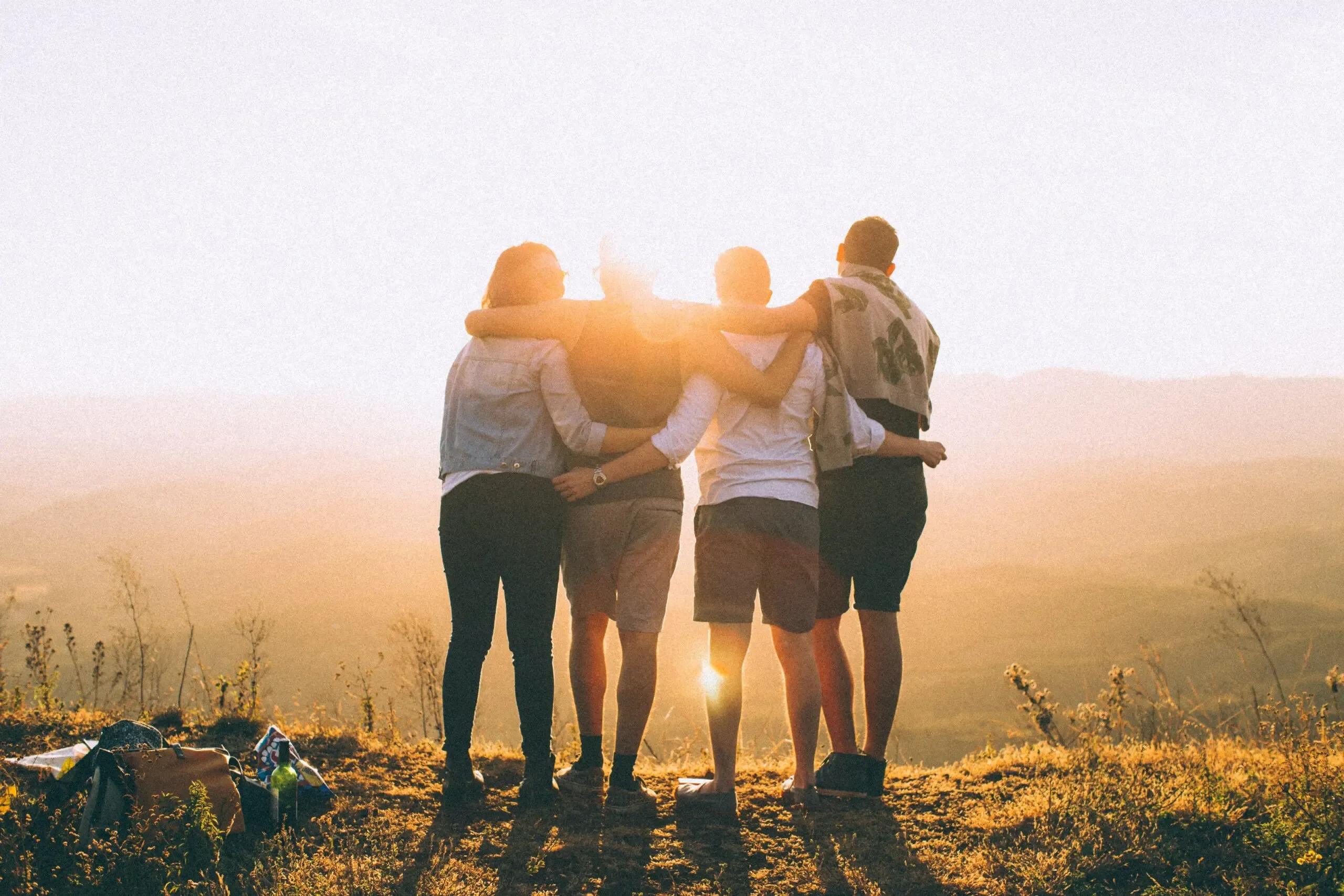
Americans Who ‘Crave Closeness’ Are Flocking to a Surprising Outdoor Activity, New Data Shows
15.12.2025
Camping as a Cure for Disconnection
Many Americans today say they feel less connected to other people — and new research suggests that one simple outdoor activity may help change that.
For a growing number of people, camping has become more than just a getaway. It’s a chance to step away from everyday stress, put down their phones and spend time in settings that naturally invite conversation, cooperation and calm.
Why People Are Craving Community
Campspot’s 2026 Travel Trend Outlook, released by the Michigan-based online camping marketplace, found that about 75% of travelers are actively looking for a stronger sense of community.
According to the report, people point to poor work-life balance, fewer shared in-person experiences and too much screen time as key reasons they feel disconnected.
Jeff Bettin, general manager of marketplace at Campspot, said travelers aren’t just seeking solitude. They want closeness — whether that’s with family, long-time friends or total strangers they meet around a campfire.
How Campgrounds Encourage Trust and Openness
Mental health and relationship expert Argie Allen-Wilson, Ph.D., who was not involved in the study, told Fox News Digital that campgrounds create a very particular social environment that can make it easier to build trust.
She explained that when people step into a temporary community like a campground, the usual rules and expectations often soften. Labels tied to jobs, status or day-to-day roles tend to fade into the background, which reduces pressure to “perform” a certain identity.
This shift, she said, puts everyone on more equal footing and makes people more willing to talk, share and help each other. The shared goal of being outside to rest, unplug and explore naturally supports a sense of psychological safety.
In that kind of setting, even small acts like chatting with the neighbor in the next campsite or lending a piece of gear can feel meaningful and ease loneliness.
Campspot’s data suggests that campers make an average of four new friends per trip, highlighting how quickly social bonds can form in these environments.
Nature’s Boost for Mind and Body
The National Park Service has also noted that spending time outdoors can reduce depressive thoughts and help reset sleep cycles — both of which are important for overall health.
Allen-Wilson said that in her clinical work, she sees how powerful nature can be for emotional well-being. When people step away from constant noise, alerts and obligations, the nervous system has a chance to slow down and reset.
Once that internal “volume” turns down, many campers find themselves more open to simple conversations, shared chores and unplanned moments of connection.
She summed it up this way: camping reminds people that humans are naturally wired for connection. When distractions are removed, most of us instinctively move toward one another, not away.
Real Stories from Campers
On a Reddit forum dedicated to camping, users frequently describe how trips outdoors leave them feeling calmer and closer to others.
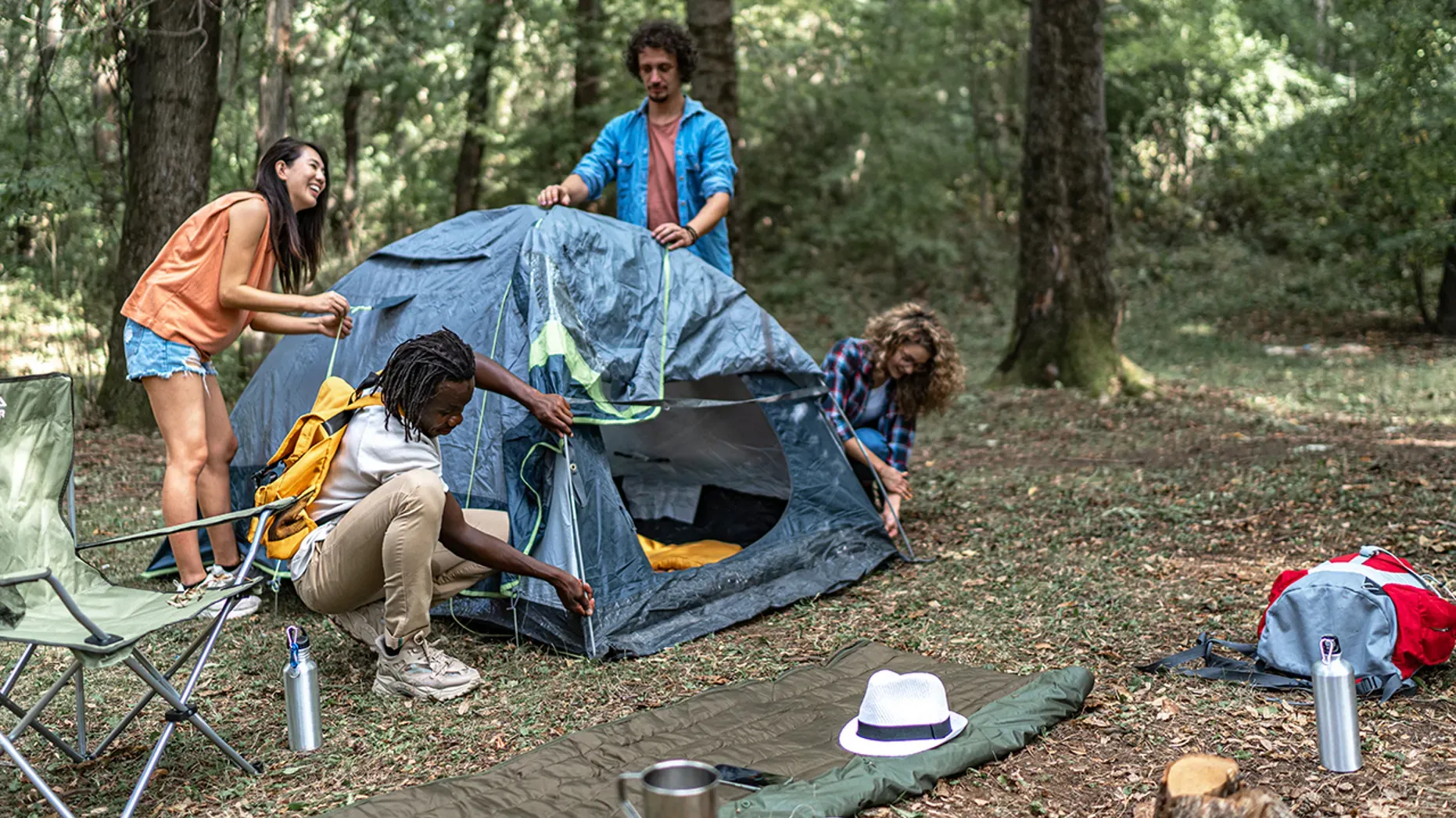
One camper wrote about a recent weekend away with friends, calling it unbeatable despite the fact that almost everything went slightly wrong. One friend brought a tent that sagged so badly it looked like it had “given up on life,” the person joked.
But once everything was finally set up, the evening felt unusually easy and relaxed. The user admitted that waking up cold and stiff wasn’t perfect, but said it was still worth it because it had been a long time since something so simple brought that level of peace.
Another camper shared a story about a trip marked by rain, broken gear — including a stove — and even a surprise swarm of bees. Surprisingly, they described it as one of the most memorable outings of the year.
They said that dealing with unexpected challenges together brought the group closer and turned problem-solving into a kind of fun. The experience, they added, made them realize that so-called bad trips often lead to the best stories and the strongest bonds.
Taken together, the research and the real-world accounts point in the same direction: for Americans who “crave closeness,” a campsite may be one of the best places to find it.