FDA Gives Green Light to First At-Home Brain Therapy Device for Depression
20.01.2026
FDA Clears First Prescription Brain Device for At-Home Depression Treatment
For the first time in the United States, people living with depression will soon be able to use a doctor-prescribed brain-stimulation device from the comfort of their own homes. The approval, granted by the U.S. Food and Drug Administration, signals a meaningful shift in how depression may be treated beyond traditional medications.
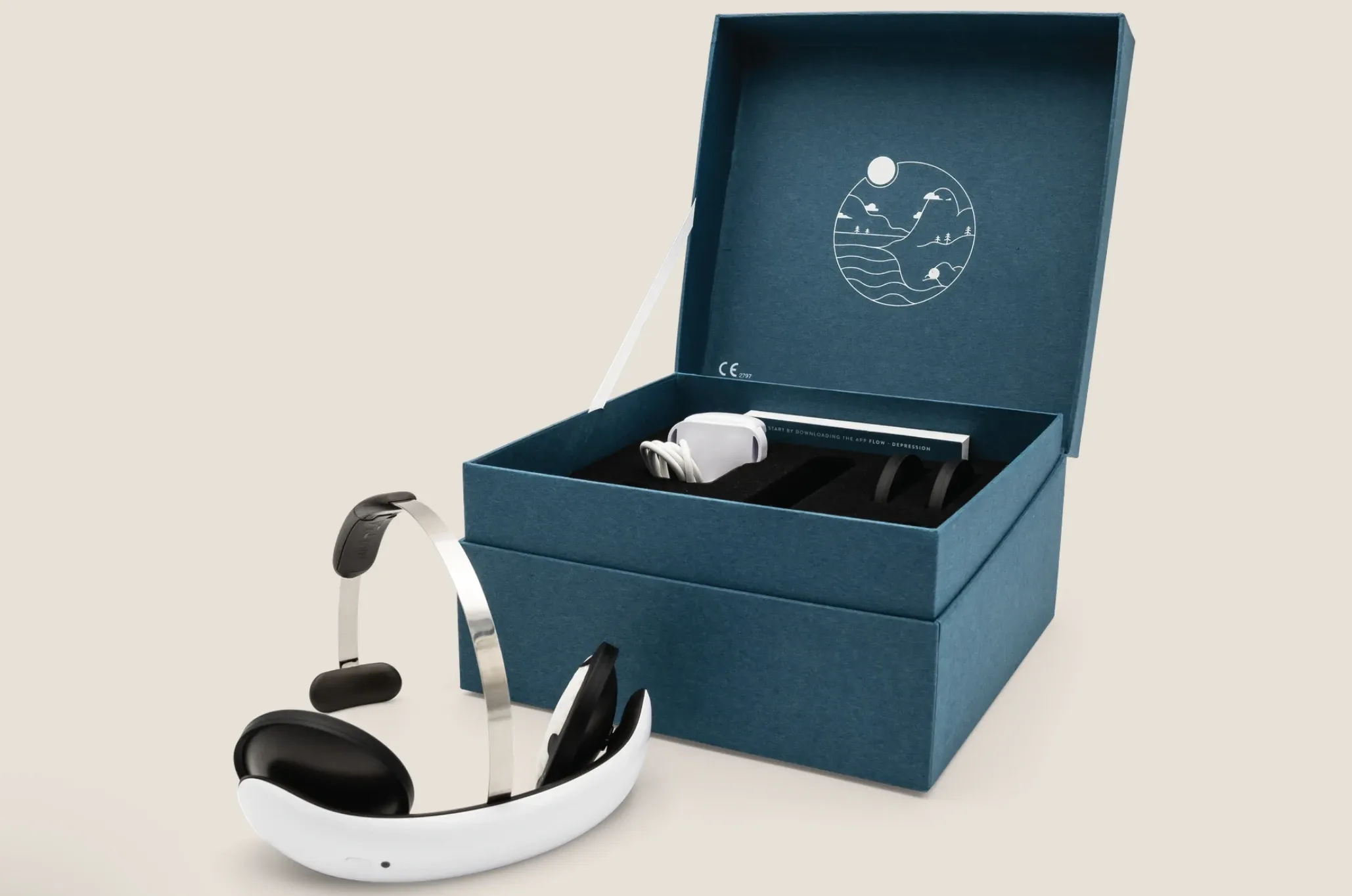
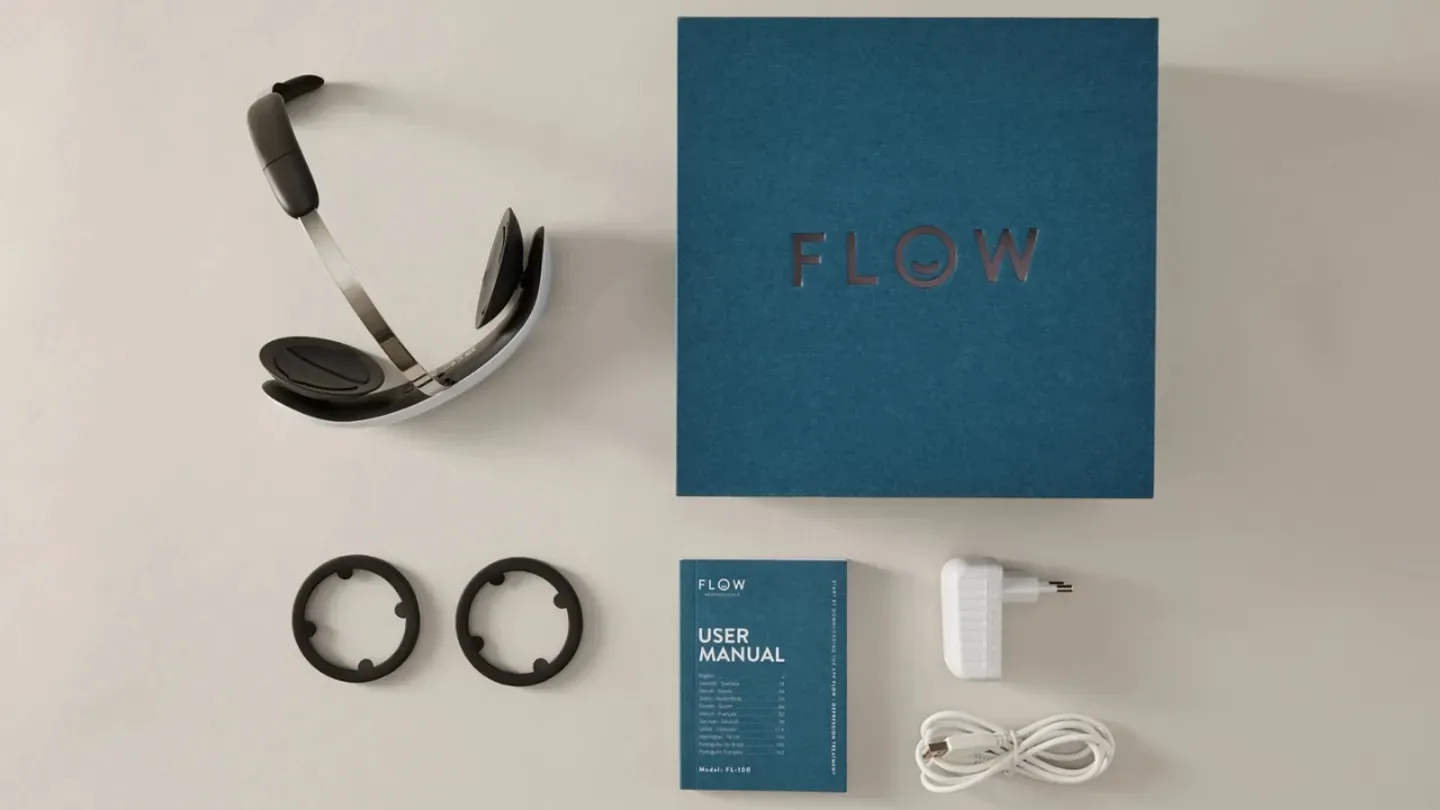
The newly authorized device, called the Flow FL-100, was developed by Flow Neuroscience. It is intended for adults 18 and older diagnosed with moderate to severe major depressive disorder. Doctors can prescribe it either as a standalone therapy or alongside antidepressants and talk therapy.
This approval is significant because depression affects more than 20 million adults nationwide, and many patients either do not respond well to medication or discontinue it due to unwanted side effects.
How the Flow FL-100 Works
The Flow FL-100 uses a technology known as transcranial direct current stimulation, or tDCS. The system delivers a low-level electrical current to the prefrontal cortex — a part of the brain involved in mood regulation, decision-making, and stress response.
In people with depression, activity in this region is often reduced. By gently stimulating it, the device aims to help normalize brain signaling over time. The device resembles a lightweight headset and connects to a smartphone app, allowing patients to complete daily sessions at home that typically last about 30 minutes.
Clinicians can remotely monitor progress through the app, adjusting treatment plans as needed.
Clinical Evidence Behind the FDA Decision
The FDA’s clearance was based on results from a randomized controlled trial evaluating home use of the device under medical supervision. Patients who received active stimulation showed significantly greater improvement compared to those in the control group.
After ten weeks of treatment, participants experienced an average reduction in depression symptoms of nearly 60%. Many users reported noticeable improvement within the first few weeks. The findings were published in the peer-reviewed journal Nature Medicine.
Reported side effects were generally mild and temporary, including skin redness, brief stinging sensations, headaches, and minor irritation where electrodes contact the skin.
A Broader Shift Toward Tech-Driven Mental Health Care
Flow’s brain-stimulation system is not entirely new. More than 55,000 people have already used similar devices across Europe, the United Kingdom, Switzerland, and Hong Kong. In the U.K., the technology is available through parts of the public health system.
Experts say the FDA approval reflects a broader trend toward non-drug, technology-based mental health treatments. In recent years, research institutions across the U.S. have been exploring new forms of neuromodulation, suggesting that at-home brain stimulation may soon become a mainstream option rather than a niche alternative.
When the Device Will Be Available
Flow Neuroscience expects the FL-100 to reach U.S. patients in the second quarter of 2026. A prescription will be required, and the companion app will be available on both iOS and Android platforms.
The company has also indicated interest in expanding the technology for other conditions in the future, including sleep disorders, addiction, and traumatic brain injury.

What Patients Should Know Before Considering Flow
The Flow FL-100 is approved only for adults with moderate to severe major depressive disorder and is not intended for emergency use or crisis situations. It is also not designed for patients considered fully treatment-resistant.
While the headset is non-invasive and designed for home use, it does not replace immediate mental health support when urgently needed. Most users complete one daily session, and any side effects are typically short-lived and monitored by a healthcare provider.
Pricing and insurance coverage details have not yet been finalized and may vary once the device becomes available.
Why This Matters
For patients who have struggled to find relief through medication alone, this FDA approval introduces a new, evidence-based option that can be used at home with professional oversight. It reflects a growing movement toward personalized, tech-enabled mental healthcare.
While not a cure or a universal solution, the Flow FL-100 adds another clinically validated tool to the treatment landscape — and for many people living with depression, having more choices can make a meaningful difference.