Airlines Face FAA Investigation for Alleged Noncompliance on Flight Reductions Amid Shutdown
06.12.2025
FAA to Probe Airlines Over Flight Cuts During Shutdown
The Federal Aviation Administration has notified U.S. airlines that it is launching an investigation into whether they followed government orders to reduce flights during the nation’s longest government shutdown.
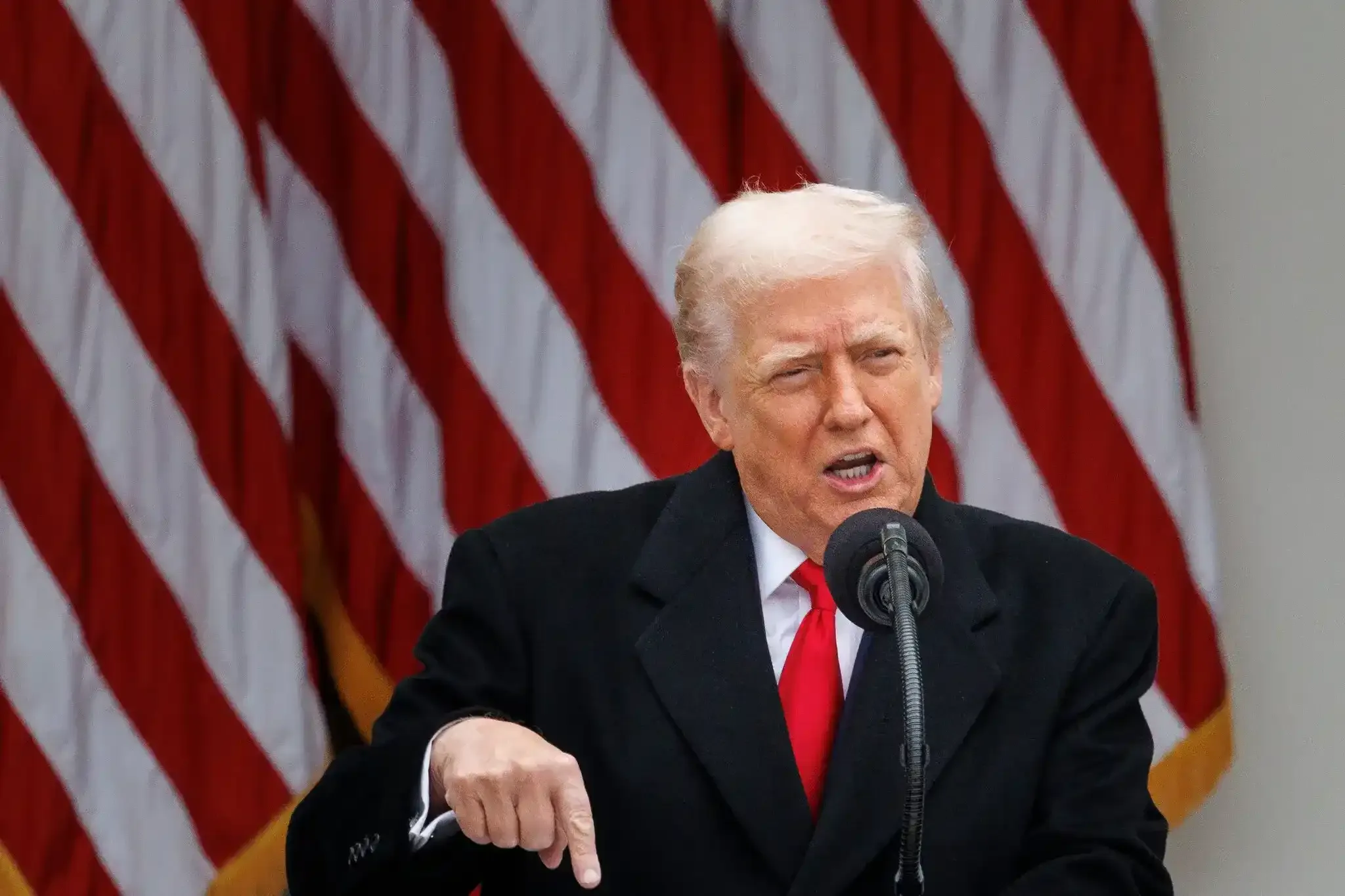
Those directives, issued by the Trump administration, came in November after the shutdown had dragged on for a month and staffing shortages among air traffic controllers were beginning to strain airport operations.
The emergency measures applied to 40 of the country’s largest airports and required each carrier to temporarily cut between 3% and 6% of its flights until the shutdown ended on Nov. 12.

Potential Fines and Compliance Deadline
In a letter sent to airlines on Monday, the FAA warned that carriers could face fines of up to $75,000 for every flight that exceeded their authorized limits during that period.
Airlines now have 30 days to provide documentation proving they complied with the mandated reductions.
Throughout the 43-day shutdown, air traffic controllers — along with many other federal employees — were working without pay. As the weeks went on, more controllers called in sick, heightening worries about safety in increasingly stressed airspace. The FAA lifted the flight restrictions on Nov. 16, four days after the shutdown officially ended.
Still, data from flight analytics firm Cirium shows that on Nov. 14, when airlines were supposed to cut 6% of flights, only about 2% were actually eliminated. The order took a toll on carriers’ bottom lines as well: Delta Air Lines said it lost roughly $200 million between Nov. 7 and Nov. 16 while the limits were in force.
New Round of Cancellations Announced
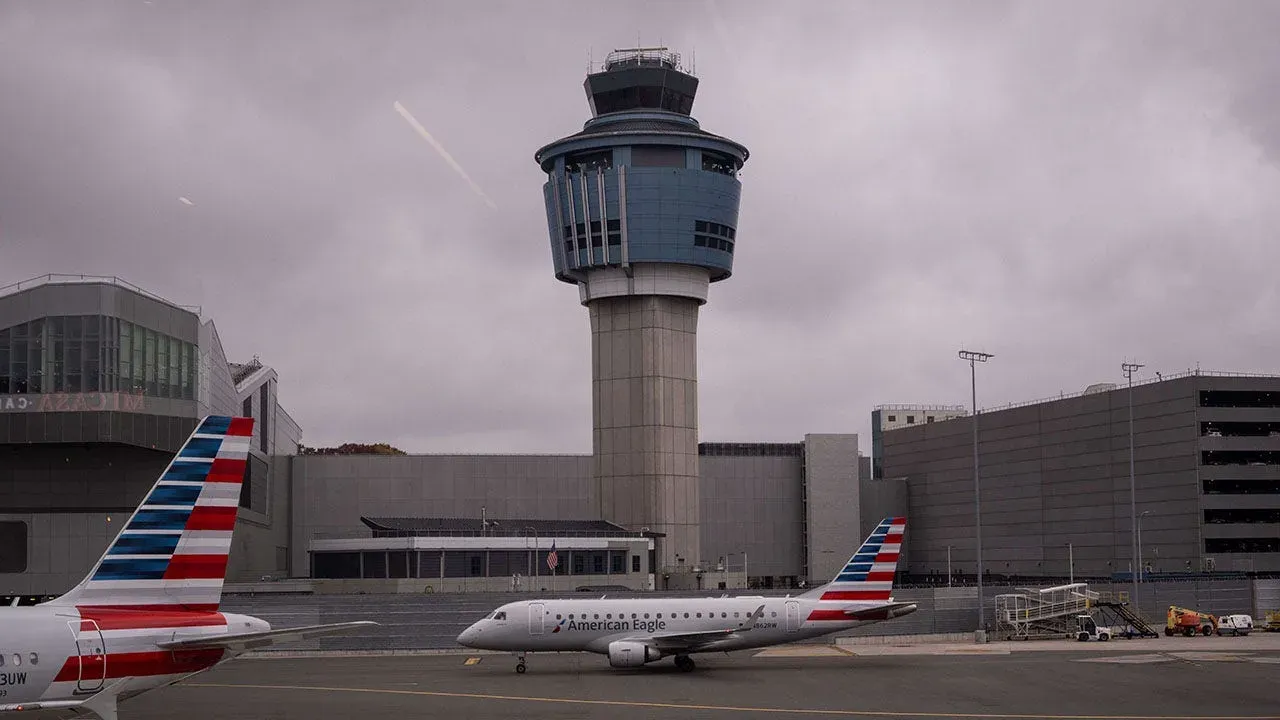
As the shutdown dragged on, the Department of Transportation (DOT) and the FAA announced an even more drastic step: starting Friday, U.S. airlines would be required to cancel 10% of flights at the 40 busiest airports in the country, citing mounting pressure on overworked air traffic controllers.
Officials said this would translate to an estimated 4,000 canceled flights per day until the government fully reopened. They did not immediately release details about which airlines, routes or airports would be affected, leaving travelers bracing for uncertainty.
Travel expert Brian Kelly, known as The Points Guy, urged passengers to make sure their contact information — especially email — is current on their airline reservations so they can be notified quickly if their flights change. He also reminded travelers that if an airline cancels or significantly alters a flight, customers are entitled to a full refund if they choose not to accept the replacement itinerary.
Safety Concerns and Travel Advice for Passengers
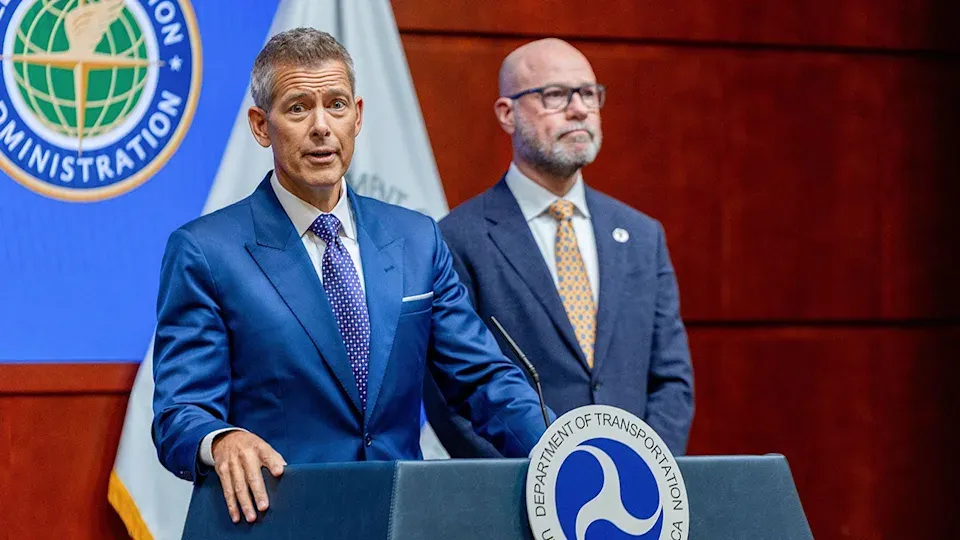
Air traffic controllers had been working for weeks without pay, and rising sick calls underscored the strain on the system. Transportation Secretary Sean Duffy said the new wave of cancellations was driven by safety concerns in an overstretched and understaffed environment.
“I anticipate there will be additional disruptions, and there will be frustration,” Duffy said. “We are working with the airlines; they’re going to work with passengers, but in the end, our sole role is to make sure that we keep this airspace as safe as possible.”
For travelers with upcoming flights, officials and experts alike advised closely monitoring news updates over the following days, as the DOT would be releasing more specific information.
Those who do not urgently need to fly were encouraged to consider alternate transportation — such as driving or taking a train — to avoid the risk of last-minute cancellations and airport chaos while the shutdown and its ripple effects continue.