Dolphins’ QB Future Becomes Clear as Ex-Packers Coach and GM Shape Direction
21.01.2026
Dolphins’ New Leadership Signals a Shift at Quarterback
As Miami Dolphins general manager Jon-Eric Sullivan began outlining the core of his roster, he painted a clear picture of how he sees the franchise’s future taking shape. Notably absent from that vision was quarterback Tua Tagovailoa.
In a recent team-published interview, Sullivan praised wide receiver Jaylen Waddle for his explosiveness and route-running, highlighted De’Von Achane as a game-breaking running back, and pointed to several foundational pieces across the offensive line and defense. Yet Tagovailoa’s name never came up during the 15-minute conversation.
The only indirect reference came when Sullivan spoke broadly about roster construction, emphasizing that team-building starts with the quarterback and works outward. The omission was telling, especially given recent developments surrounding Tagovailoa’s standing with the organization.
Tagovailoa’s Uncertain Standing in Miami
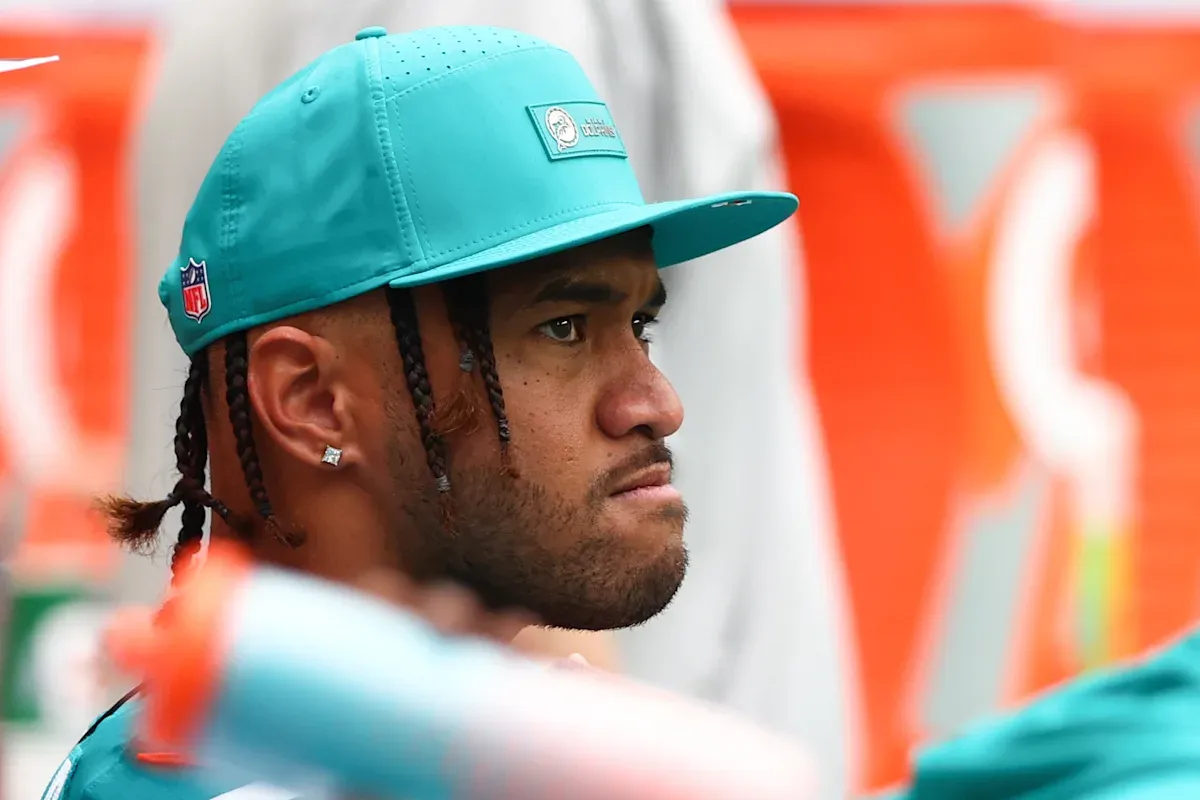
Tagovailoa’s future with the Dolphins has been under scrutiny since former head coach Mike McDaniel benched him late in the season after a surge in turnovers. McDaniel later suggested there would be quarterback competition in 2026, but his firing soon after reopened the question of whether Tagovailoa would remain Miami’s long-term answer.
Statistically, Tagovailoa posted solid completion numbers in 2025, but his increase in interceptions and fumbles dragged his passer rating outside the league’s top tier for the first time in years. A new front office could have reaffirmed its confidence in him, but Sullivan’s silence suggested otherwise.
Packers Ties Shape the Dolphins’ Direction
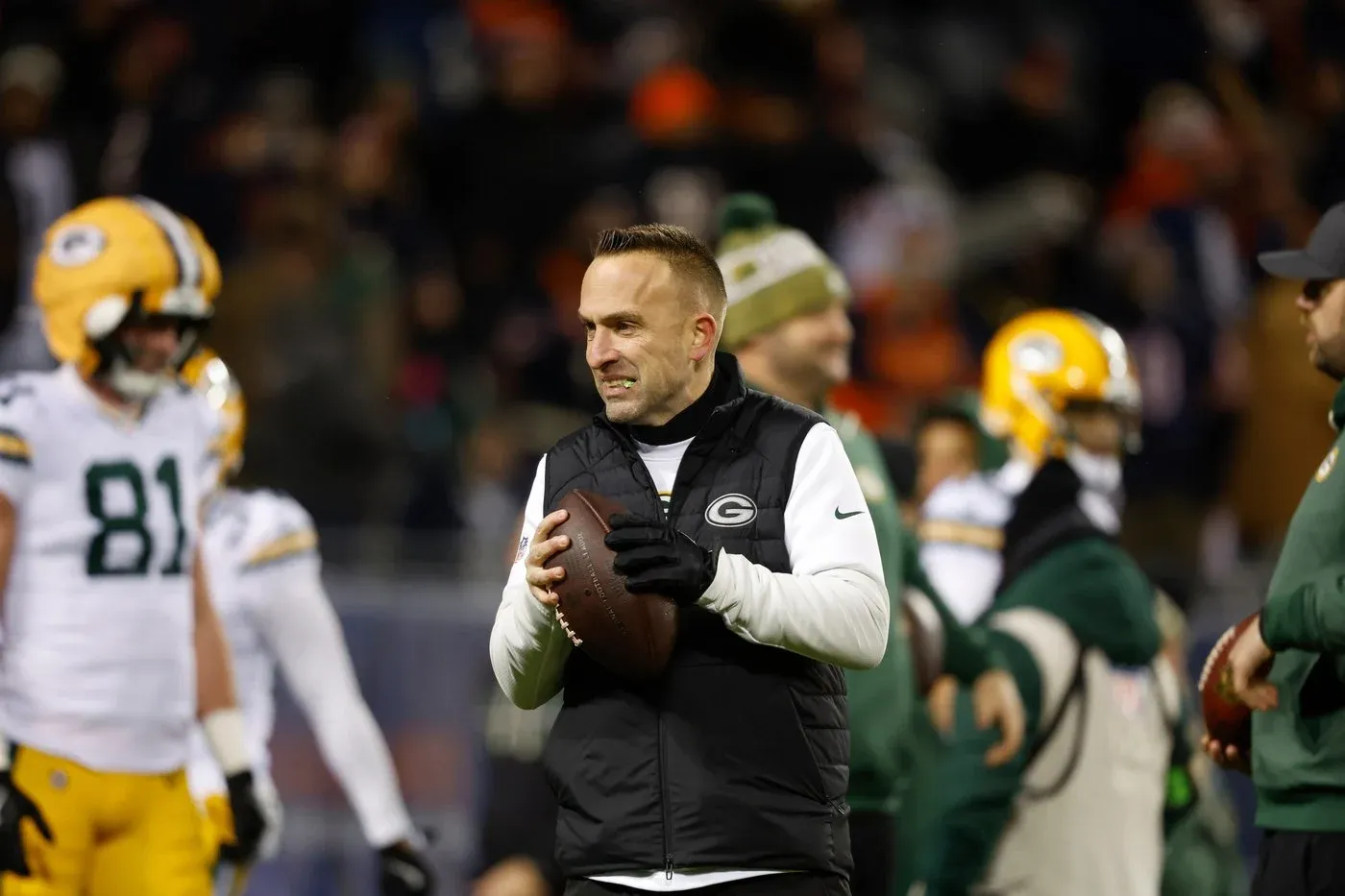
Miami’s hiring of Jeff Hafley, formerly Green Bay’s defensive coordinator, as head coach further sharpened the focus on the team’s next move at quarterback. League sources indicate the Dolphins are expected to seriously consider Malik Willis as a potential starter for 2026.
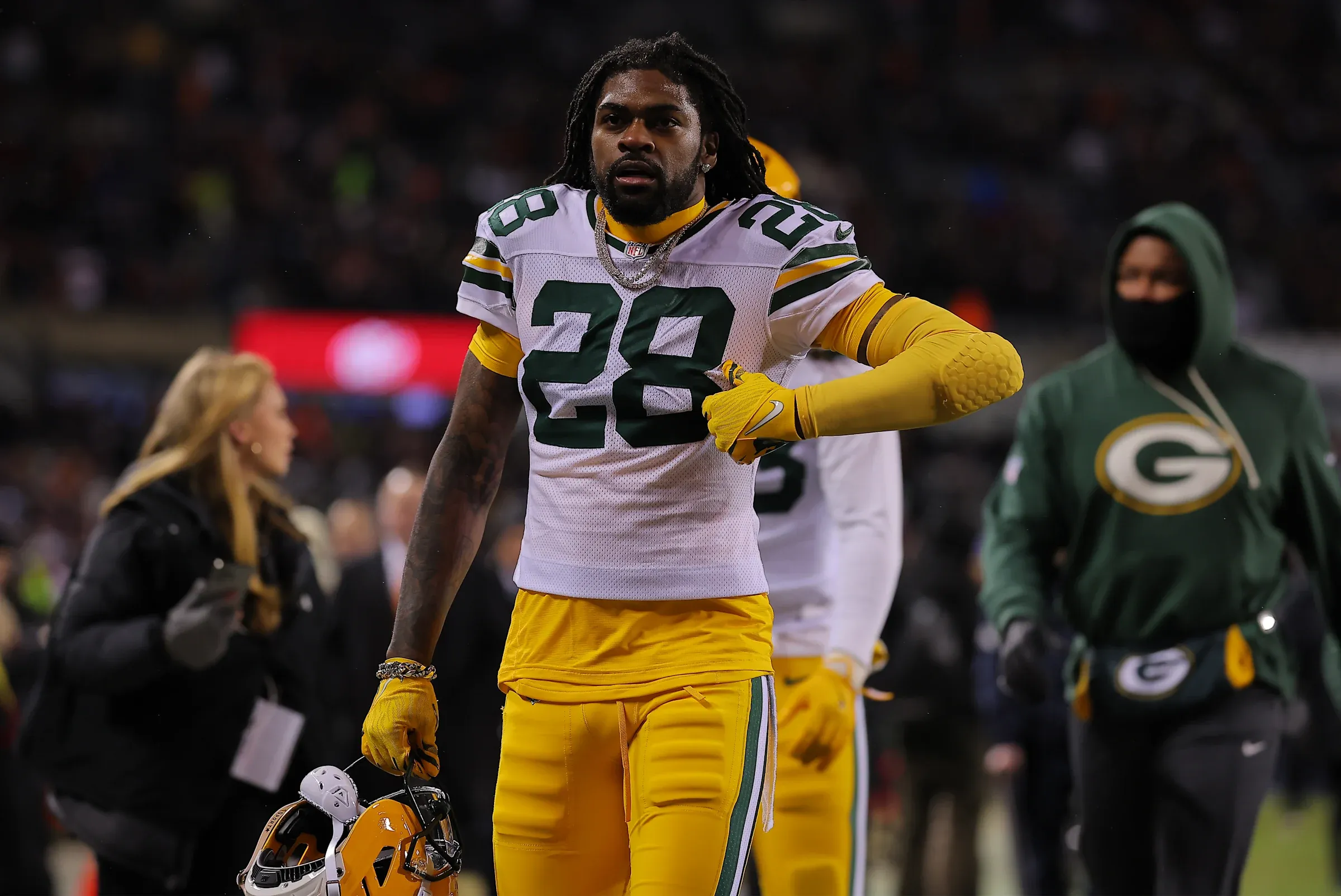
Sullivan and Hafley both spent the past two seasons observing Willis closely in Green Bay, where he impressed evaluators with his athleticism and flashes of playmaking ability despite limited opportunities. Multiple executives around the league believe Willis is emerging as a legitimate starting candidate, depending on Miami’s offensive coordinator hire.
Why Malik Willis Fits the Picture
Willis showed efficiency and poise in spot duty last season, completing a high percentage of his passes while contributing as a runner. Though he played mostly in backup situations, he demonstrated upside that teams value in bridge or reclamation quarterbacks.
Green Bay’s long track record of developing quarterbacks—often by letting them sit and grow—adds credibility to Sullivan’s potential interest. His comments about valuing football character, resilience, and development hint at comfort with a player he already knows well.
Financial and Strategic Considerations
Moving on from Tagovailoa wouldn’t be simple. Releasing him this offseason would result in a massive dead cap hit, though history shows teams can recover from such decisions. Miami also sits outside the top 10 in the upcoming draft, limiting its chances of landing a plug-and-play rookie quarterback in a class viewed as thin at the position.
Willis, meanwhile, could be available on a contract similar to recent deals signed by quarterbacks seeking a second chance as starters. That middle ground—experienced but still developing—may appeal to a Dolphins team aiming to stay competitive while reshaping its identity.
Competition as the New Standard
Sullivan has repeatedly emphasized competition as the engine of improvement, whether through the draft or other roster avenues. That philosophy suggests Miami won’t shy away from bringing in a quarterback who can challenge the status quo.
While no official decision has been made, the pieces are lining up. With familiar leadership, a known quarterback option, and uncertainty surrounding the incumbent, the Dolphins’ path beyond Tagovailoa is becoming increasingly clear.